


“Beauty sleep” is more than an old saying. While you rest, your skin is busy repairing damage, producing new cells, and restoring moisture. When sleep is short or poor in quality, the effects show quickly: dull skin, puffy eyes, dark circles, and a tired appearance. Over time, chronic sleep deprivation may even contribute to premature aging and breakouts. Understanding how sleep affects your skin – and how to make your nighttime habits work for you – is one of the simplest ways to improve your complexion.
What Happens to Your Skin While You Sleep
The skin follows a natural daily rhythm. During the day, it focuses on protection against UV rays, pollution, and other stressors. At night, it switches to repair mode:
- Cell renewal increases: skin cells divide and regenerate more actively during sleep.
- Blood flow improves: more oxygen and nutrients reach the skin.
- Collagen production rises: growth hormone released during deep sleep supports collagen and tissue repair.
- Stress hormones fall: cortisol levels decrease, reducing inflammation.
- Water loss increases: the skin loses more moisture at night, which is why hydration in your evening routine is so important.
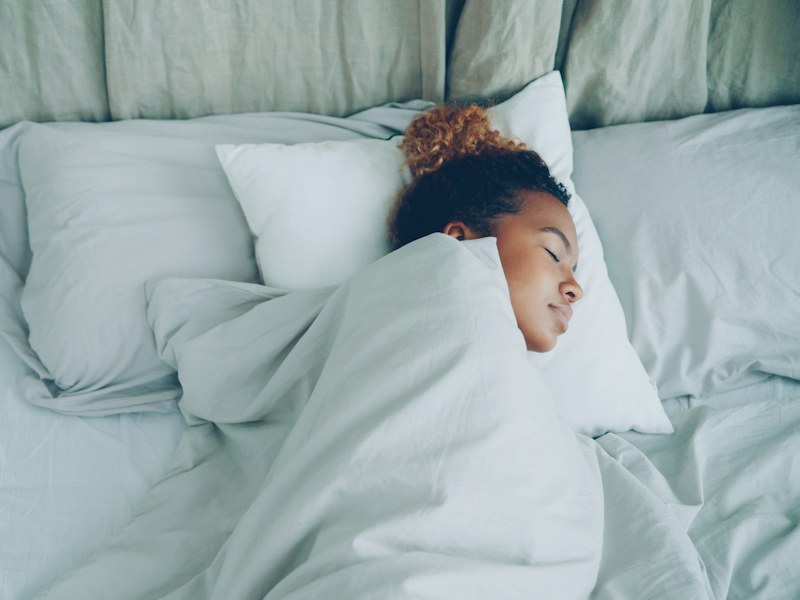
How Poor Sleep Shows on Your Skin
- Dullness: reduced circulation leaves skin looking pale and tired.
- Dark circles and puffiness: fluid builds up and blood vessels become more visible under the eyes. You can find targeted tips in Professional Tips to Reduce Dark Circles and Puffy Eyes.
- Breakouts: higher cortisol levels can increase oil production and inflammation.
- Dryness and sensitivity: a weakened barrier struggles to retain moisture.
- Fine lines: ongoing sleep loss may accelerate signs of aging by reducing collagen repair.
1. Aim for Seven to Nine Hours
Most adults need seven to nine hours of quality sleep each night. Consistency matters as much as quantity, so try to go to bed and wake up at the same time every day, even on weekends. A regular schedule supports your body’s natural rhythm and helps skin repair processes work efficiently.
2. Never Go to Bed with Makeup On
Sleeping in makeup and sunscreen traps oil, dirt, and debris in pores, leading to congestion and dullness. Always cleanse thoroughly before bed. A two-step cleanse is ideal when you have worn makeup or water-resistant sunscreen – see Double Cleansing: What It Is and How to Do It Right.
3. Use Your Night Routine for Treatment
Nighttime is the best time to use active ingredients that support renewal, because there is no sun exposure to degrade them or increase sensitivity. Consider:
- Retinoids to boost cell turnover and collagen.
- Exfoliating acids a few nights a week for smoother texture.
- Peptides and niacinamide for barrier support and firmness.
- Rich moisturizers or sleeping masks to counteract overnight water loss.

4. Choose the Right Pillowcase
Cotton pillowcases absorb moisture from your skin and create friction that can contribute to sleep creases and hair breakage. Silk or satin pillowcases are smoother and gentler. Whatever material you choose, change your pillowcase at least once or twice a week to avoid buildup of oil, bacteria, and product residue.
5. Sleep on Your Back When Possible
Pressing your face into the pillow every night can cause compression lines over time and may worsen puffiness. Sleeping on your back helps prevent creases on the face, neck, and chest. Slightly elevating your head with an extra pillow can also reduce fluid buildup around the eyes.
6. Create a Relaxing Bedtime Routine
A calm mind sleeps better. Dim the lights an hour before bed, limit screen time, and try relaxing activities like reading, stretching, or meditation. Turning your skincare routine into a slow, mindful ritual can also signal to your body that it is time to wind down.
7. Watch What You Eat and Drink at Night
Caffeine in the afternoon or evening can disrupt sleep. Heavy meals, excessive salt, and alcohol close to bedtime may cause puffiness and poor-quality rest. Instead, drink enough water during the day and choose light evening snacks if needed.

8. Optimize Your Bedroom
A cool, dark, quiet room promotes deeper sleep. Use blackout curtains or an eye mask, keep the temperature comfortable, and consider a humidifier during dry seasons to help your skin retain moisture overnight.
9. Manage Stress
Stress affects both sleep and skin. Regular exercise, time outdoors, journaling, and breathing exercises can lower stress levels and improve sleep quality. For a broader look at how lifestyle influences your appearance, read Holistic Beauty: How Wellness and Lifestyle Choices Enhance Your Glow.
10. Morning Tips After a Short Night
Everyone has the occasional late night. To refresh tired skin in the morning, splash your face with cool water, use a hydrating serum, apply a chilled eye cream or cool compress to reduce puffiness, and choose a radiant moisturizer and sunscreen. Drink a glass of water and get some daylight to help reset your body clock.
Conclusion
Sleep is one of the most powerful – and most affordable – beauty treatments available. By getting enough consistent rest, cleansing before bed, using targeted night treatments, and creating a calm, skin-friendly sleep environment, you give your skin the time and conditions it needs to repair itself. Make your nighttime habits a priority, and your skin will look fresher, smoother, and more radiant every morning.