


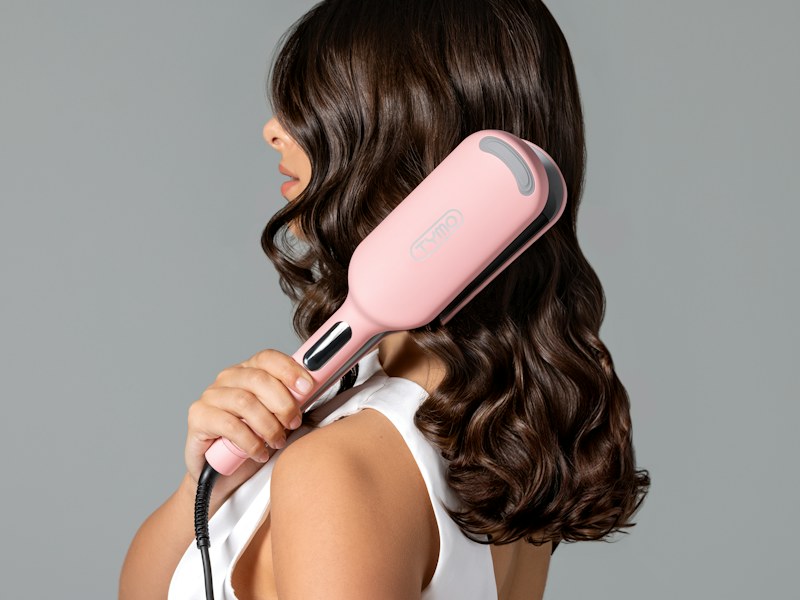
Flat irons, curling wands, and blow dryers make it easy to create beautiful styles, but frequent use comes at a cost. Over time, high heat can leave hair dry, brittle, frizzy, and full of split ends. Heat-damaged hair may lose its shine, feel rough to the touch, and break easily when brushed. While damaged hair cannot be completely “healed,” you can significantly improve its condition, protect it from further harm, and help healthy new growth come through. Here is how to repair and care for heat-damaged hair.
How Heat Damages Hair
Each strand of hair is protected by an outer layer called the cuticle, made of overlapping scales. Beneath it lies the cortex, which contains the proteins and moisture that give hair strength and elasticity. High temperatures lift and crack the cuticle, allowing moisture to escape. Repeated exposure can also weaken the keratin proteins inside the cortex. The result is hair that is porous, dry, and prone to breakage.
Signs of Heat Damage
- Split ends and frayed tips.
- Rough, straw-like texture.
- Excessive frizz and flyaways.
- Loss of natural curl pattern or wave.
- Dullness and lack of shine.
- Hair that tangles easily and snaps when brushed.
1. Trim Away the Worst Damage
Split ends cannot be glued back together permanently. If left alone, they can split further up the hair shaft. A trim of one to three centimeters removes the most damaged sections and instantly makes hair look healthier. Plan regular trims every eight to twelve weeks while you are repairing your hair.
2. Take a Break from Hot Tools
The most effective step is to reduce or pause heat styling. Try air-drying, braiding damp hair for waves, or using heatless curling methods overnight. If you must use heat, limit it to once or twice a week and choose the lowest effective temperature.
3. Switch to Gentle Cleansing
Damaged hair needs moisture, so avoid harsh shampoos that strip natural oils. Choose a sulfate-free, moisturizing shampoo and focus it on the scalp. You may also wash less frequently. A healthy scalp supports healthy growth – learn more in Scalp Care Guide: How to Keep Your Scalp Healthy for Stronger Hair.
4. Condition Deeply and Regularly
Use conditioner after every wash, applying it from mid-lengths to ends. Once a week, replace it with a deep conditioning mask and leave it on for ten to twenty minutes. Look for ingredients such as:
- Ceramides and fatty alcohols: smooth the cuticle and reduce moisture loss.
- Natural oils and butters: argan oil, coconut oil, and shea butter nourish dry strands.
- Panthenol and glycerin: attract and hold moisture.
5. Balance Protein and Moisture
Heat damage often weakens hair proteins, so occasional protein treatments with hydrolyzed keratin, silk, or wheat protein can help strengthen strands. However, too much protein can make hair stiff and brittle. Alternate protein treatments with moisturizing masks, and pay attention to how your hair responds: if it feels mushy and overly stretchy, it needs protein; if it feels stiff and dry, it needs moisture.
6. Try Bond-Building Treatments
Bond-repair products are designed to reconnect broken bonds inside the hair structure. They can noticeably improve strength and reduce breakage, particularly in hair damaged by both heat and chemical treatments. Use them as directed, usually once a week.
7. Seal with Leave-In Products and Oils
After washing, apply a leave-in conditioner to damp hair to provide ongoing moisture and detangling support. Finish with a few drops of lightweight hair oil on the ends to seal the cuticle, reduce frizz, and add shine. For more ways to tame frizz, see Tips for Healthy, Shiny, and Frizz-Free Hair.
8. Handle Wet Hair with Care
Hair is at its weakest when wet. Gently squeeze out water with a microfiber towel or cotton T-shirt instead of rubbing. Detangle with a wide-tooth comb, starting from the ends and working upward. Avoid tight hairstyles while hair is damp.
9. Always Use Heat Protection
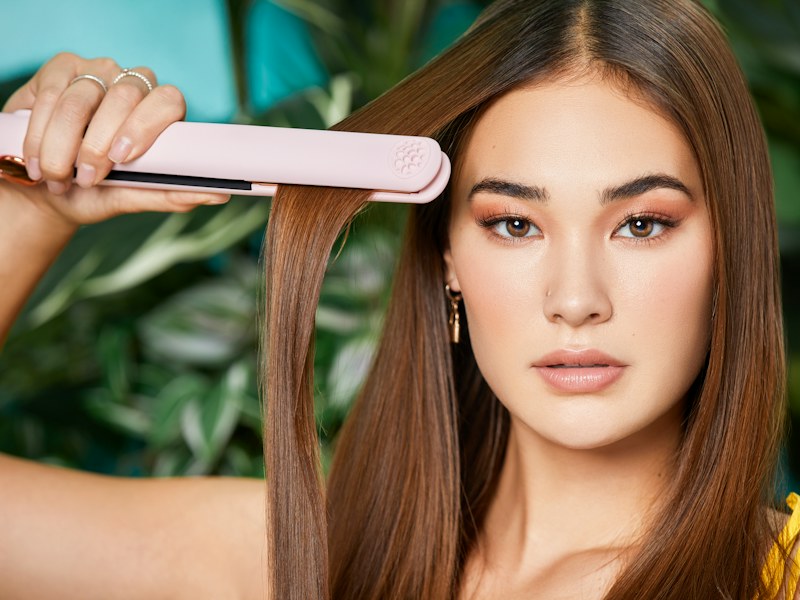
When you return to heat styling, apply a heat protectant spray or cream every single time. These products form a barrier that reduces moisture loss and distributes heat more evenly. Additional tips for safer styling:
- Keep flat irons and curling tools below 180°C (about 350°F), or lower for fine hair.
- Make sure hair is completely dry before using a flat iron.
- Pass the tool over each section only once or twice.
- Use the medium or cool setting on your blow dryer and keep it moving.
10. Protect Hair While You Sleep
Cotton pillowcases create friction that leads to tangles and breakage. A silk or satin pillowcase, or a loose braid secured with a soft scrunchie, helps protect fragile strands overnight.
Support Hair Health from Within
A diet rich in protein, iron, omega-3 fatty acids, and vitamins supports strong new growth. Healthy habits such as staying hydrated and managing stress also contribute to better hair. Discover more daily practices in Simple Habits for Long-Lasting Healthy Hair.
Conclusion
Repairing heat-damaged hair takes patience, but the results are worth it. Trim away split ends, reduce heat styling, cleanse gently, condition deeply, balance protein and moisture, and always use heat protection. With consistent care, your hair will become softer, shinier, and stronger – and new growth will stay healthy from the start.