


Few skincare ingredients have earned as much praise from dermatologists and skincare enthusiasts as niacinamide. It appears in serums, moisturizers, toners, and even sunscreens, and it suits almost every skin type. Niacinamide can help with oiliness, enlarged pores, redness, uneven tone, and a weak skin barrier – all at once. Yet many people still wonder what it actually does, how strong it should be, and whether it can be combined with other actives. This guide explains everything you need to know to use niacinamide effectively.
What Is Niacinamide?
Niacinamide, also called nicotinamide, is a water-soluble form of vitamin B3. In the skin, it acts as a building block for important molecules involved in energy production and cellular repair. Unlike many active ingredients, niacinamide is stable, gentle, and compatible with most formulas, which explains why it has become a staple in modern skincare routines.
Key Benefits of Niacinamide
1. Strengthens the Skin Barrier
Niacinamide helps the skin produce more ceramides and other lipids that keep the barrier strong. A healthier barrier retains moisture better and is less reactive to irritants. If your skin often feels tight or sensitive, niacinamide is an excellent supporting ingredient. To learn more about barrier care, read Understanding and Repairing a Damaged Skin Barrier.
2. Balances Oil Production
Studies suggest that niacinamide can reduce excess sebum production over several weeks of use. This makes it especially helpful for oily and combination skin, where shine and congestion are common concerns.
3. Refines the Appearance of Pores
Pores look larger when they are stretched by oil and debris. By helping regulate oil and improving skin elasticity, niacinamide can make pores appear smaller and the skin surface smoother.
4. Evens Out Skin Tone
Niacinamide reduces the transfer of melanin to the surface skin cells. Over time, this can soften dark spots, post-acne marks, and general dullness. It works well alongside sunscreen and other brightening ingredients.
5. Calms Redness and Irritation
Its anti-inflammatory properties help reduce redness and blotchiness. Many people with sensitive or acne-prone skin find that niacinamide makes their complexion look calmer and more even.
6. Supports Anti-Aging Goals
By protecting the skin from oxidative stress and supporting barrier function, niacinamide can help improve the appearance of fine lines and boost overall skin resilience.
Which Concentration Should You Use?
Niacinamide is effective at relatively low concentrations. Research commonly uses between 2% and 5%, and many people see excellent results in this range. Products with 10% or higher are popular, but higher strengths do not always mean better results – they may cause flushing, tingling, or breakouts in some people. If you are new to the ingredient or have sensitive skin, start with 2% to 5%.
How to Add Niacinamide to Your Routine
Niacinamide can be used once or twice a day. A typical routine looks like this:
- Cleanse with a gentle cleanser.
- Tone or hydrate with an essence or hydrating toner if you use one.
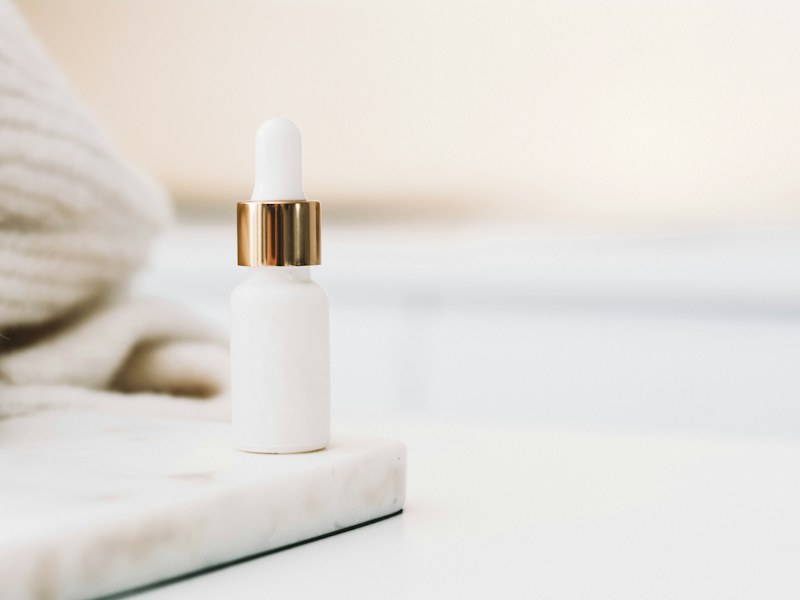
- Apply niacinamide serum – a few drops spread evenly over the face and neck.
- Moisturize to seal in hydration.
- Apply sunscreen in the morning.
Because it is water-based, niacinamide usually goes on before thicker creams and oils. If your moisturizer already contains niacinamide, you may not need a separate serum.
Can You Combine Niacinamide with Other Actives?
One of niacinamide’s biggest advantages is its compatibility with most ingredients:
- Hyaluronic acid: a perfect pairing for hydration and barrier support.
- Retinol: niacinamide can reduce dryness and irritation caused by retinoids. See How to Start Using Retinol Without Irritation.
- Exfoliating acids: can be used in the same routine, though very sensitive skin may prefer to alternate.
- Vitamin C: the old belief that they cancel each other out is based on outdated studies. Modern formulas can be layered, but if you notice flushing, use vitamin C in the morning and niacinamide at night.
- Sunscreen: niacinamide complements sun protection by supporting an even tone.
Who Should Use Niacinamide?
Niacinamide is suitable for nearly everyone, including people with oily, dry, combination, sensitive, and acne-prone skin. It is often recommended for those who want one versatile ingredient instead of many specialized products. For oily skin in particular, you may also find helpful tips in Expert Tips for Managing Oily Skin and Preventing Shine.

How Long Until You See Results?
Niacinamide works gradually. Many people notice softer, calmer skin within two to four weeks. Improvements in oil control, pores, and uneven tone usually become visible after eight to twelve weeks of consistent use. Patience and daily use are key.
Possible Side Effects
Niacinamide is generally well tolerated. However, some people experience temporary redness, warmth, or itching, especially with high concentrations. If this happens, switch to a lower-strength product, use it once a day, or apply it after moisturizer. Always patch test new products on a small area before applying them to your whole face.
Tips for Choosing a Good Niacinamide Product
- Look for a concentration between 2% and 5% if you have sensitive skin.
- Choose fragrance-free formulas to reduce the risk of irritation.
- Consider products that combine niacinamide with soothing or hydrating ingredients like panthenol, ceramides, or zinc.
- Select a texture that suits your skin type – lightweight serums for oily skin, creamier formulas for dry skin.
Conclusion
Niacinamide is one of the most versatile and beginner-friendly ingredients in skincare. It strengthens the barrier, balances oil, refines pores, calms redness, and evens out tone, all while being gentle enough for daily use. Choose a moderate concentration, apply it consistently, and pair it with sunscreen and a good moisturizer. Within a few weeks, your skin is likely to look clearer, calmer, and more radiant.