


Long, full eyelashes frame the eyes and make the whole face look brighter and more awake. While mascara, lash extensions, and false lashes offer instant results, many people want their natural lashes to be healthier, stronger, and longer. Lashes can become thin and brittle because of harsh makeup habits, rubbing, aging, or poor nutrition. The good news is that with gentle care and the right habits, you can support healthier lash growth and reduce breakage. Here is how to get longer, healthier eyelashes naturally.
Understanding the Eyelash Growth Cycle
Like the hair on your head, eyelashes grow in cycles. Each lash goes through three phases:
- Anagen (growth phase): lasts around 30 to 45 days, during which the lash actively grows.
- Catagen (transition phase): lasts two to three weeks; growth stops and the follicle shrinks.
- Telogen (resting phase): can last several months before the lash naturally falls out and a new one grows in its place.
Because the growth phase is short, eyelashes have a natural length limit. Healthy habits cannot double their length, but they can reduce breakage and premature shedding so that each lash reaches its full potential.
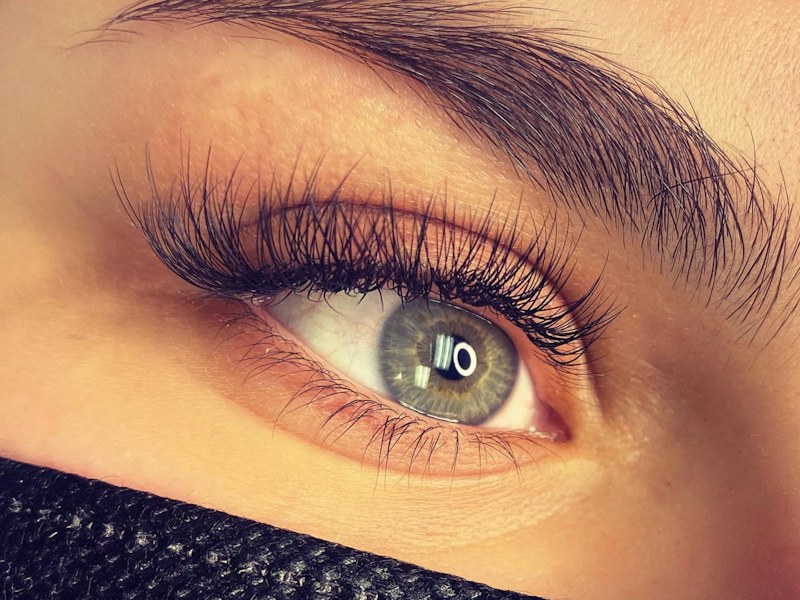
1. Remove Eye Makeup Gently Every Night
Sleeping in mascara makes lashes dry and brittle and can clog the follicles along the lash line. Always remove eye makeup before bed. Soak a cotton pad with an oil-based remover or micellar water, hold it against your closed eyelid for ten to twenty seconds, then gently wipe downward. Avoid scrubbing back and forth. A cleansing oil used as the first step of a double cleanse is also very effective – see Double Cleansing: What It Is and How to Do It Right.
2. Stop Rubbing Your Eyes
Rubbing your eyes – whether from tiredness, allergies, or habit – puts stress on the lashes and can pull them out. If your eyes are itchy, use a cool compress or speak with a doctor about allergy relief instead.
3. Condition Your Lashes
Just like hair, lashes benefit from conditioning. Apply a lash serum or conditioner along the base of your upper lash line at night. Look for nourishing ingredients such as peptides, panthenol, biotin, and hyaluronic acid. Some people use a tiny amount of castor oil or argan oil with a clean spoolie brush. If you try oils, use only a very small amount, keep them out of your eyes, and stop if you notice irritation.
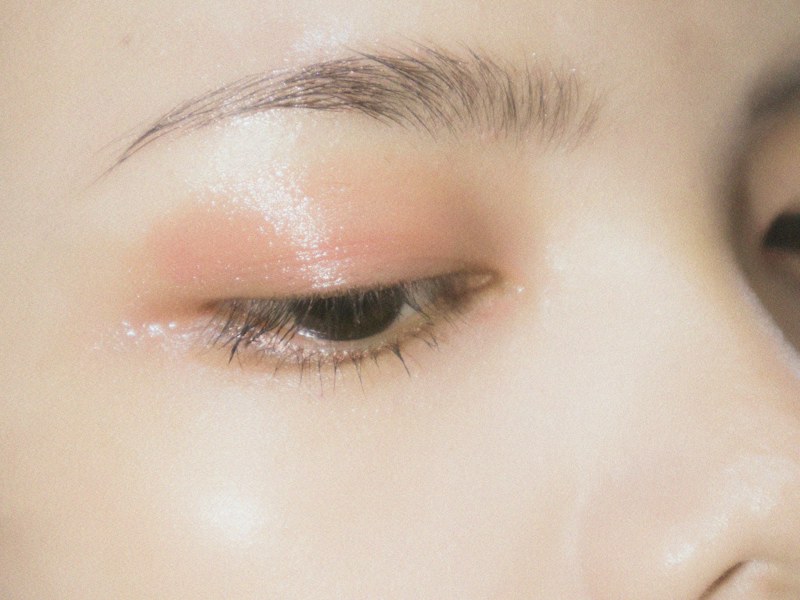
4. Be Careful with Lash Curlers
Eyelash curlers can create a beautiful lift, but using them incorrectly causes breakage. Always curl lashes before applying mascara, never after, since curling coated lashes can snap them. Use gentle pressure, avoid pulling, and replace the rubber pad regularly. Clean your curler often to prevent bacteria buildup.
5. Choose Lash-Friendly Mascara
Waterproof mascara is harder to remove and can dry out lashes if used every day. Save it for special occasions and choose regular or tubing mascaras for daily wear. Tubing formulas wrap each lash in tiny polymer tubes that slide off with warm water, minimizing tugging during removal. Replace mascara every three months to avoid eye infections.
6. Give Your Lashes a Break
Lash extensions, strip lashes, and lash lifts can be lovely, but frequent use places strain on your natural lashes. The weight of extensions and the adhesive used with false lashes may lead to breakage or thinning. Take regular breaks between applications, and always have extensions removed by a professional rather than pulling them off.
7. Keep Your Lash Line Clean
Oil, makeup residue, and dead skin can collect along the lash line and contribute to irritation. Gently cleansing your eyelids with a mild, fragrance-free cleanser or eyelid wipes supports a healthy environment for growth. Keeping your makeup tools clean is just as important – read Why and How to Clean Your Makeup Brushes and Sponges.
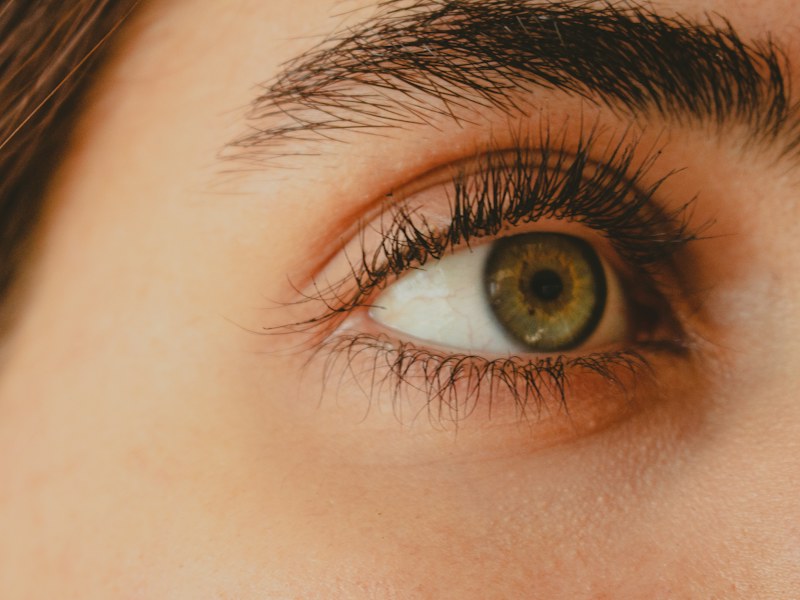
8. Nourish Your Body
Healthy lashes start from within. Protein, biotin, iron, zinc, omega-3 fatty acids, and vitamins A, C, and E all support hair growth, including the lashes. Eggs, fish, nuts, seeds, legumes, and leafy greens are excellent sources. Staying hydrated and getting enough sleep also play an important role. Many of these same habits benefit your brows too, as explained in Professional Tips to Maintain Healthy and Strong Eyebrows.
9. Brush Your Lashes
Using a clean spoolie brush to comb through your lashes each day helps separate them, distribute natural oils, and remove dust or residue. It also stimulates the lash line gently. Be soft and slow – lashes are delicate.
10. Be Patient
Because of the lash growth cycle, it usually takes six to eight weeks to see noticeable changes from a new routine, and up to three months for the full effect. Consistency is essential.
When to See a Doctor
Sudden or significant lash loss can sometimes be a sign of an underlying condition such as blepharitis, thyroid imbalance, alopecia, or an allergic reaction. If you notice patches of missing lashes, persistent redness, swelling, or itching along the eyelids, consult a doctor or eye specialist. Prescription treatments for lash growth are also available, but they should only be used under medical supervision because they can have side effects.
Conclusion
Longer, healthier eyelashes are the result of gentle care rather than quick fixes. Remove makeup carefully, avoid rubbing your eyes, condition your lashes, choose lash-friendly products, and support your body with good nutrition. With patience and consistent habits, your natural lashes can look fuller, stronger, and more beautiful – with or without mascara.