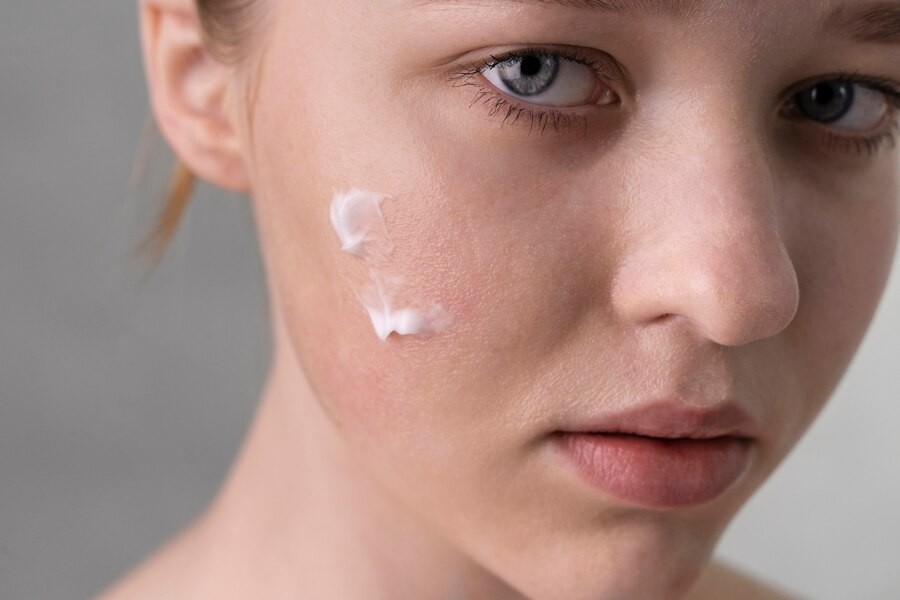


When it comes to achieving smooth, radiant, and healthy-looking skin, exfoliation often plays a starring role. Yet, despite its popularity in the skincare world, many people misunderstand how exfoliation works, when to do it, and what type of method best suits their skin. Over-exfoliating or using the wrong products can cause more harm than good. By understanding the science behind exfoliation, you can unlock the secret to glowing skin without compromising its health.
The Science of Exfoliation – How to Reveal Your Best Skin
What Is Exfoliation?
Exfoliation is the process of removing dead skin cells from the surface of the skin. Naturally, our skin sheds these cells every 28 to 40 days, but factors like aging, sun damage, or clogged pores can slow this process down. When dead skin cells accumulate, they create a dull, rough texture and can even clog pores, leading to breakouts. Exfoliation helps accelerate this natural turnover, revealing fresher and brighter skin beneath.
The Benefits of Regular Exfoliation
-
Brighter complexion – Removing dull, lifeless cells instantly enhances the skin’s radiance.
-
Improved texture – Consistent exfoliation smooths rough patches and softens the skin.
-
Better absorption of skincare products – By clearing away buildup, serums and moisturizers can penetrate deeper and work more effectively.
-
Reduced breakouts – Clearing excess oil and debris from pores helps minimize acne.
-
Anti-aging benefits – Stimulating cell turnover encourages collagen production, reducing fine lines and improving elasticity.
Types of Exfoliation
Exfoliation methods fall into two categories: physical (mechanical) and chemical. Each has unique benefits and considerations.
1. Physical Exfoliation
This method uses scrubs, brushes, or tools to manually remove dead skin cells. Examples include sugar scrubs, facial brushes, or exfoliating sponges.
-
Pros: Instant results, smoother texture after just one use.
-
Cons: Can be harsh if overused, leading to microtears or irritation, especially for sensitive skin.
2. Chemical Exfoliation
This method relies on acids or enzymes to dissolve dead skin cells rather than scrubbing them away. The most common types include:
-
Alpha Hydroxy Acids (AHAs): Glycolic acid and lactic acid, which work on the skin’s surface to brighten and smooth.
-
Beta Hydroxy Acids (BHAs): Salicylic acid, oil-soluble and excellent for unclogging pores.
-
Enzymes: Derived from fruits like papaya or pineapple, offering a gentler alternative for sensitive skin.
-
Pros: More even and less abrasive than physical exfoliation.
-
Cons: Can cause dryness or sensitivity if overused; requires sunscreen, as skin becomes more photosensitive.
How Often Should You Exfoliate?
One of the biggest mistakes people make is exfoliating too often. While it may feel satisfying, over-exfoliation damages the skin’s protective barrier, causing redness, irritation, and breakouts.
-
Normal to combination skin: 2–3 times per week.
-
Oily or acne-prone skin: 3 times per week with gentle products.
-
Sensitive or dry skin: Once a week with mild exfoliants like lactic acid or enzyme-based products.
Consistency, not intensity, is the key to seeing results.
Signs You’re Over-Exfoliating
It’s important to recognize the warning signs of over-exfoliation:
-
Persistent redness or irritation
-
Increased sensitivity to products
-
Flaky, tight, or shiny-looking skin
-
Sudden breakouts despite a regular routine
If these symptoms occur, stop exfoliating immediately and focus on repairing the skin barrier with hydrating serums, gentle cleansers, and rich moisturizers.
Tips for Safe and Effective Exfoliation
-
Choose the right type: Select chemical or physical exfoliants based on your skin type and concerns.
-
Start slow: Introduce exfoliation once a week, then increase frequency gradually.
-
Moisturize afterward: Always follow with a nourishing moisturizer to replenish hydration.
-
Protect with SPF: Since exfoliation increases sensitivity to UV rays, sunscreen is essential.
-
Avoid doubling up: Do not use multiple exfoliating products in the same routine unless specifically formulated to work together.
Exfoliation for Different Skin Types
-
Dry skin: Stick to lactic acid or enzyme exfoliants that hydrate while removing dead cells.
-
Oily skin: Salicylic acid works best to clear pores and control sebum.
-
Sensitive skin: Gentle fruit enzymes or very fine scrubs once a week are sufficient.
-
Mature skin: Glycolic acid helps promote cell turnover and reduce fine lines.
Professional Exfoliation Treatments
At-home exfoliation is effective, but professional treatments offer deeper results:
-
Microdermabrasion: Uses tiny crystals or a diamond tip to resurface the skin.
-
Chemical peels: Stronger acids applied by dermatologists to treat hyperpigmentation, acne scars, and wrinkles.
-
Laser resurfacing: Advanced option for more dramatic anti-aging effects.
These treatments should always be performed by qualified professionals, as they carry higher risks if done incorrectly.
Conclusion
Exfoliation is a powerful tool for unlocking radiant, healthy skin, but it must be done with care. By understanding your skin type, choosing the right method, and following safe practices, you can achieve long-term benefits without compromising your skin barrier. Remember: exfoliation is about balance. Gentle, consistent care will always deliver better results than aggressive treatments.