


Many people take great care of their faces but overlook the skin on their arms, legs, and back. As a result, small rough bumps, dry patches, and uneven texture can appear and become frustrating – especially when wearing sleeveless tops or shorts. One of the most common causes of bumpy skin is keratosis pilaris, a harmless condition often described as “chicken skin.” With the right body care routine, you can make your skin noticeably smoother and softer. This guide explains why rough, bumpy skin happens and how to improve it.
What Causes Rough, Bumpy Skin?
The most frequent cause is keratosis pilaris (KP). It occurs when keratin, a protective protein in the skin, builds up and forms plugs around hair follicles. These plugs appear as small, rough bumps that may be skin-colored, red, or brownish. KP commonly affects the upper arms, thighs, buttocks, and sometimes the cheeks. It tends to run in families, is more common in people with dry skin or eczema, and often worsens in dry, cold weather.
Other causes of rough body skin include general dryness, folliculitis (inflamed hair follicles), ingrown hairs after shaving, and body acne. Identifying the cause helps you choose the most effective approach.
1. Cleanse Gently
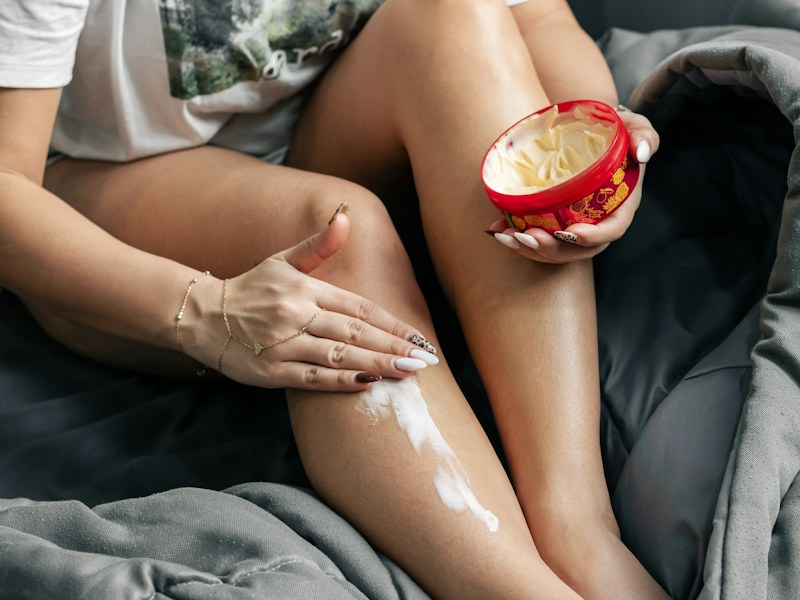
Harsh soaps and hot water strip the skin’s natural oils, making dryness and bumps more visible. Use a mild, fragrance-free body wash or a moisturizing cleansing oil. Keep showers short and use lukewarm water. Avoid scrubbing with rough loofahs every day, which can irritate follicles and increase redness.
2. Use Chemical Exfoliants
Chemical exfoliants are the most effective tools for smoothing KP because they dissolve the keratin buildup rather than scraping the skin. Look for body lotions, washes, or pads containing:
- Lactic acid: exfoliates and hydrates at the same time, making it ideal for dry skin.
- Glycolic acid: smooths texture and brightens dullness.
- Salicylic acid: penetrates pores and follicles, helpful for bumps and body breakouts.
- Urea: softens rough skin and draws in moisture; concentrations of 10% or more are particularly useful for thick, rough areas.
Start using these products a few times a week and increase gradually as your skin tolerates them. To understand the different types of exfoliation, read The Science of Exfoliation – How to Reveal Your Best Skin.
3. Physical Exfoliation – With Care
A gentle body scrub or a soft exfoliating mitt once a week can help remove dead skin, but aggressive scrubbing often makes KP redder and more inflamed. Choose fine, rounded particles and use light circular movements. Never scrub irritated or broken skin.
4. Moisturize Immediately After Showering
Moisturizing is essential for keeping skin soft and preventing new buildup. Apply body lotion or cream within three minutes of showering while the skin is still slightly damp. Look for ingredients such as ceramides, glycerin, shea butter, and squalane. In dry seasons, switch to a thicker cream or apply a body oil before your lotion for extra comfort. Many principles of facial hydration apply to the body as well – see How to Keep Your Skin Hydrated and Plump All Day.
5. Consider Retinoids for the Body
Retinoid body lotions can help normalize skin cell turnover and reduce follicular plugging. They are usually used a few nights a week and paired with a good moisturizer. Because retinoids can cause dryness at first, introduce them slowly, just as you would on the face. Our guide How to Start Using Retinol Without Irritation explains the gradual approach.
6. Shave and Remove Hair Gently
Hair removal can worsen bumps and cause ingrown hairs. To reduce irritation:
- Shave after a warm shower, when hair and skin are soft.
- Use a sharp, clean razor and a moisturizing shaving gel.
- Shave in the direction of hair growth.
- Apply a soothing, fragrance-free lotion afterward.
- Consider exfoliating a day before shaving rather than immediately after.
For persistent ingrown hairs, longer-term hair removal methods such as laser treatment may help.
7. Wear Breathable Fabrics
Tight synthetic clothing can trap sweat and heat, causing friction and irritation around follicles. Choose breathable fabrics like cotton or linen, and change out of sweaty workout clothes as soon as possible. Shower after exercise to prevent bumps related to sweat and bacteria.
8. Add Moisture to the Air
Dry indoor air, especially from heating or air conditioning, can make rough skin worse. A humidifier in the bedroom helps maintain skin hydration overnight. This is especially helpful during colder months, when KP typically flares.
9. Protect Your Body from the Sun
Exfoliating acids and retinoids can make skin more sensitive to sunlight. Apply sunscreen to exposed areas of your arms and legs, and reapply when outdoors. Sun protection also helps prevent the red or brown marks that sometimes remain after bumps fade.
10. Be Patient and Consistent
Keratosis pilaris has no permanent cure, but it can be controlled very effectively. Most people see smoother skin after four to eight weeks of consistent care. If you stop your routine, the bumps may gradually return, so think of body care as an ongoing habit rather than a short-term treatment.
When to See a Dermatologist
Seek professional advice if bumps are painful, filled with pus, spreading quickly, or not improving after a couple of months of home care. A dermatologist may recommend prescription-strength exfoliants or retinoids, or treatments such as chemical peels or laser therapy for redness and texture.
Conclusion
Rough, bumpy skin on the arms and legs is common and harmless, but it can affect your confidence. By cleansing gently, exfoliating with the right acids, moisturizing immediately after showering, and treating your skin kindly during hair removal, you can enjoy smoother, softer skin from your shoulders to your toes. Consistency is the secret – make body care part of your daily routine, and your skin will look and feel its best.