


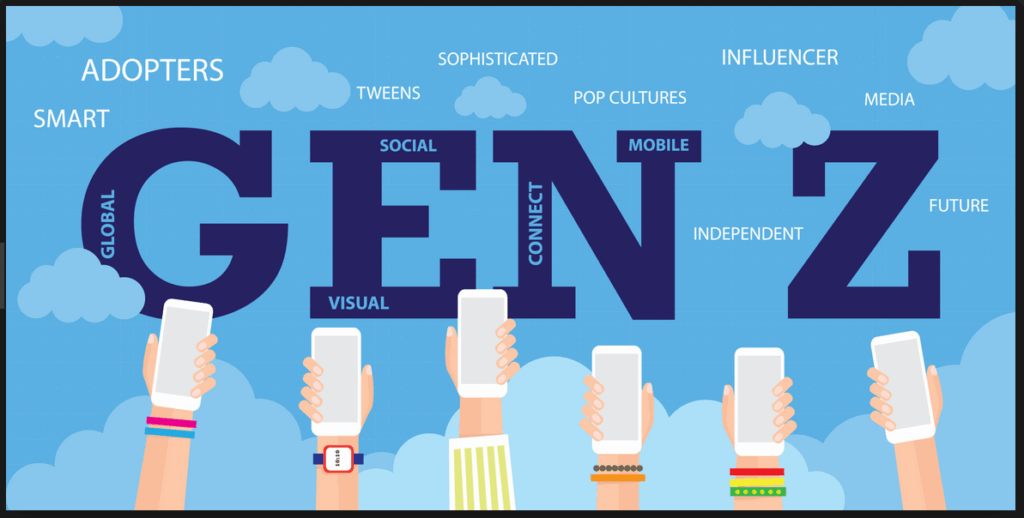
Every generation leaves a distinct mark on society, but Generation Z – those born between the late 1990s and early 2010s – has demonstrated an unparalleled ability to influence culture, politics, and technology. Their “voice” is not limited to social media trends but extends to activism, workplace dynamics, and consumer behavior. Understanding how Gen Z communicates, and what they stand for, is essential for organizations, brands, and communities that wish to stay relevant in today’s fast-paced world.
The Power of Gen Z Voice in Shaping Modern Culture
The Digital Native Advantage
Gen Z is the first generation to grow up entirely in the digital era. Unlike Millennials, who experienced the transition from analog to digital, Gen Z has never known a world without the internet, smartphones, and social media. This unique position equips them with a natural fluency in digital communication. Platforms like TikTok, Instagram, and YouTube are not just entertainment channels but powerful tools for advocacy and cultural expression. Through short-form videos, memes, and viral content, Gen Z’s voice spreads globally in seconds, often sparking trends that transcend borders.
Authenticity Over Perfection
One defining feature of the Gen Z voice is authenticity. Unlike previous generations that valued polished presentations, Gen Z embraces raw, unfiltered expression. From casual vlogs to candid discussions about mental health, young creators prioritize honesty and relatability over glossy marketing. This shift has pushed brands, media outlets, and even political leaders to adopt a more transparent and human-centered communication style. In many ways, Gen Z has redefined what “influence” means, favoring genuine connection over celebrity status.
Advocacy and Social Responsibility
Beyond fashion and music trends, the Gen Z voice is deeply tied to activism. Climate change, racial justice, gender equality, and mental health awareness are among the causes this generation passionately champions. Their activism is not limited to protests on the streets; it thrives online, where petitions, fundraisers, and awareness campaigns can gain millions of supporters overnight. Importantly, Gen Z holds corporations accountable, demanding that brands align their values with social responsibility. Companies that fail to demonstrate ethical practices risk losing relevance in the eyes of these discerning young consumers.
Redefining Work and Leadership
The Gen Z voice also resonates in the workplace. Young professionals entering the job market are vocal about prioritizing work-life balance, mental health, and inclusive environments. They value leaders who listen, adapt, and champion diversity. Unlike previous generations that often conformed to rigid structures, Gen Z employees are unafraid to challenge outdated systems. Their boldness in speaking up is gradually reshaping organizational cultures worldwide.
Challenges of the Gen Z Voice
While Gen Z’s influence is undeniable, their voice also faces challenges. The pressure of constant connectivity can amplify stress, anxiety, and the fear of missing out. The fast-paced nature of online discourse sometimes sacrifices depth for speed, leading to oversimplified debates. Moreover, the generational gap occasionally creates misunderstandings with older groups who perceive Gen Z’s style as impulsive or radical. Bridging these divides requires open dialogue and mutual respect.
Conclusion
The Gen Z voice is more than a generational quirk; it is a transformative force redefining how society communicates, consumes, and collaborates. By championing authenticity, digital fluency, and social responsibility, this generation is setting new standards for cultural influence. Listening to Gen Z is not optional for organizations and leaders—it is a necessity for those who wish to remain relevant in an ever-changing world.
More Stories from Gen Z Voices

Gen Z Voices
Gen Z Voice and the Future of Social Change
Gen Z Voices
Gen Z Voice and the Demand for Authentic Leadership

Gen Z Voices