



Communication has always evolved with each generation, but Generation Z has transformed the way people connect, share, and influence at a speed never seen before. Born into a digital-first world, their voice carries not only across neighborhoods but across continents. Gen Z has redefined communication standards, prioritizing immediacy, inclusivity, and authenticity. To understand modern dialogue—whether in business, media, or personal relationships—we must first understand the way Gen Z communicates.
Gen Z Voice and the Redefinition of Communication
The Rise of Digital-First Expression
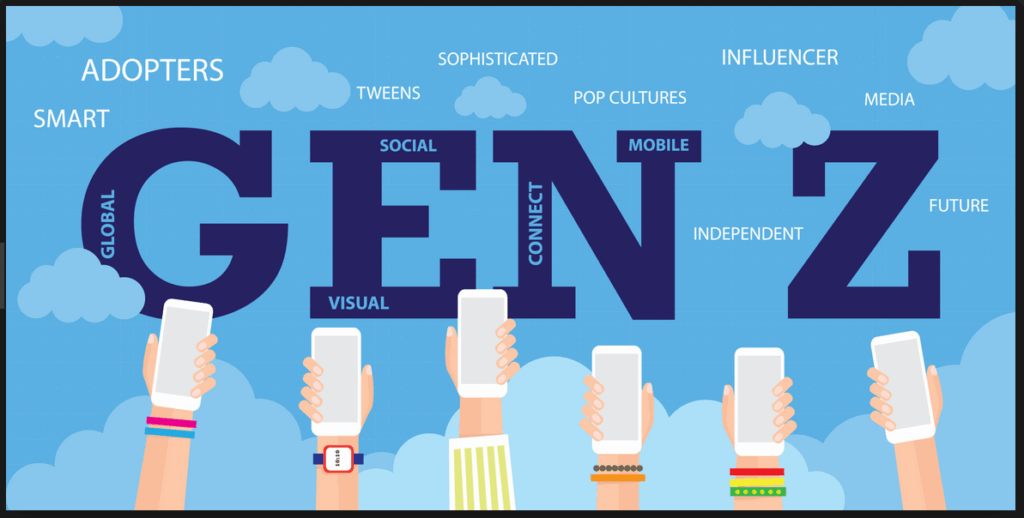
For Gen Z, the digital realm is not an extension of reality; it is reality. Platforms like TikTok, Instagram, and Discord are their natural habitats, where ideas flow quickly and creativity thrives. Short-form videos, memes, emojis, and GIFs have become part of their linguistic toolkit, blurring the lines between language and visual culture. Unlike formal communication styles, Gen Z prefers conversational tones, interactive content, and collaborative storytelling. Their voice resonates most powerfully in spaces where speed and engagement intersect.

The Emphasis on Authentic Connection
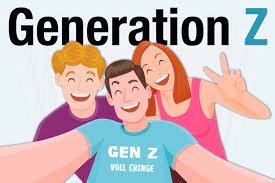
Traditional media often polished every message to perfection, but Gen Z rejects overproduction in favor of authenticity. A simple unedited selfie or a heartfelt vlog can garner more attention than a heavily scripted advertisement. For them, communication is about trust and relatability, not surface-level appeal. This explains why influencers who share vulnerable stories often outshine celebrities who maintain carefully curated images. Gen Z’s voice values honesty, and they expect the same from friends, educators, employers, and brands.
Inclusivity and Representation
Gen Z communication is also marked by inclusivity. They are the most diverse generation yet, and they demand representation in media, workplaces, and politics. This inclusivity extends to language itself—using pronouns correctly, advocating for gender-neutral expressions, and promoting cultural awareness. Their voice challenges outdated stereotypes and calls for spaces where everyone feels seen and respected. In this sense, communication becomes more than dialogue; it becomes a tool for equity.
Activism Through Communication
One of the strongest aspects of the Gen Z voice is its role in activism. Digital platforms have become megaphones for social causes, where a single post can mobilize millions. Hashtags like #FridaysForFuture and #BlackLivesMatter highlight how Gen Z uses communication as a form of collective power. They are unafraid to challenge institutions, criticize brands, or confront political leaders. Their digital activism has reshaped traditional advocacy, making social change faster, louder, and more global than ever before.
Workplace Expectations
As Gen Z enters the workforce, their communication style is reshaping organizational norms. They prefer open feedback loops, transparent leadership, and collaborative problem-solving. Emails and formal memos often give way to instant messaging platforms, reflecting their need for fast and clear communication. At the same time, they advocate for workplace cultures that respect individuality and mental well-being. Leaders who fail to adapt risk alienating this growing demographic of employees and consumers.

Challenges and Misunderstandings
Despite their strengths, the Gen Z voice is not without challenges. The preference for brevity can sometimes undermine nuance, leaving complex issues oversimplified. Constant digital connectivity also raises concerns about attention spans and misinformation. Moreover, older generations often misinterpret Gen Z’s communication as informal or disrespectful, when in fact it reflects a shift toward openness and efficiency. Bridging these gaps requires patience, intergenerational dialogue, and a willingness to adapt.
The Future of Communication
Looking ahead, the Gen Z voice is likely to influence every aspect of communication—from business marketing to global politics. As artificial intelligence, virtual reality, and digital platforms evolve, this generation will continue to lead the way in adopting and shaping new modes of interaction. Their commitment to authenticity and inclusivity suggests a future where communication is not just about transmitting information but about building trust, empowering communities, and driving collective action.
Conclusion
Gen Z has revolutionized communication by merging technology with authenticity, activism, and inclusivity. Their voice challenges old structures while creating new possibilities for connection. To engage with them effectively, organizations, educators, and leaders must embrace transparency, adopt digital-first strategies, and respect their values. The Gen Z voice is not merely a generational trend; it is the blueprint for the future of global communication.
More Stories from Gen Z Voices

Gen Z Voices
Gen Z Voice and the Future of Social Change
Gen Z Voices
Gen Z Voice and the Demand for Authentic Leadership
Gen Z Voices