


Beautiful hair starts at the root – literally. While most hair care routines focus on the lengths and ends, the scalp is the living foundation from which every strand grows. A scalp that is oily, flaky, itchy, or inflamed can lead to dull hair, breakage, and even increased shedding. Fortunately, caring for your scalp does not have to be complicated. With the right cleansing habits, gentle exfoliation, and a few lifestyle adjustments, you can create a healthy environment for stronger, shinier hair.
Why Scalp Health Matters
The scalp is an extension of the skin on your face, but it contains a higher density of hair follicles and sebaceous glands. These glands produce sebum that naturally conditions the hair. When the balance is disturbed – by harsh products, product buildup, stress, or hormonal changes – the scalp can become too oily or too dry. An unhealthy scalp may also host an overgrowth of yeast, which is linked to dandruff and irritation. Keeping the scalp balanced supports the hair growth cycle and helps every strand emerge in its best condition.
Signs Your Scalp Needs Attention
- Persistent itching or a tight, uncomfortable feeling.
- White or yellowish flakes on the scalp or shoulders.
- Hair that becomes greasy only a day after washing.
- Redness, tenderness, or small bumps around the follicles.
- Thinning or more shedding than usual.
If you notice severe symptoms such as patches of hair loss, painful sores, or flakes that do not improve, it is best to consult a dermatologist.
1. Wash According to Your Scalp, Not Your Hair Length
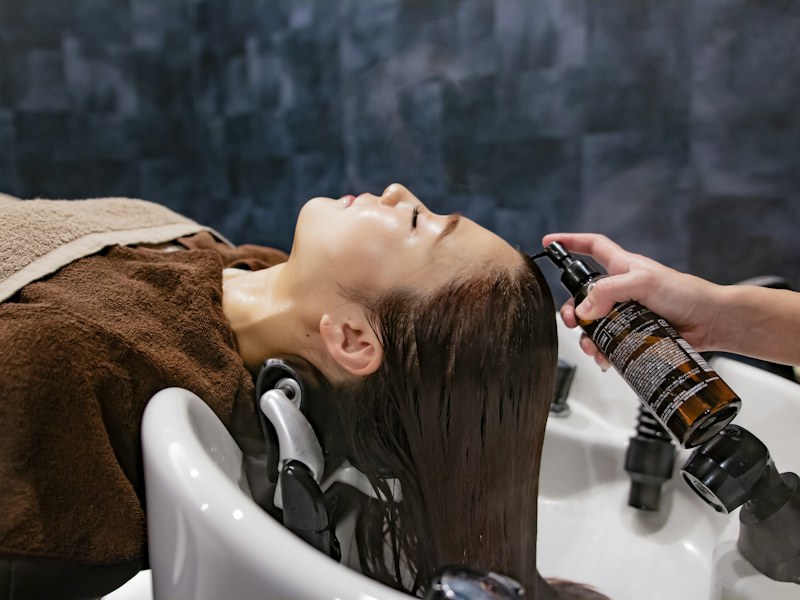
How often you wash should depend on how quickly your scalp produces oil. Oily scalps may need cleansing every day or every other day, while dry scalps can go longer. Focus shampoo on the scalp, massaging gently with the pads of your fingers – never your nails – for about one minute. Let the lather rinse through the lengths rather than scrubbing them, which helps prevent dryness and frizz.
Choose a shampoo that fits your concern: a balancing or clarifying formula for oily scalps, a moisturizing sulfate-free shampoo for dry scalps, and an anti-dandruff shampoo with ingredients such as zinc pyrithione, ketoconazole, or selenium sulfide for flaking.
2. Exfoliate the Scalp Regularly
Dry shampoo, styling products, sebum, and dead skin cells can build up around the follicles. Exfoliating once every one to two weeks helps keep the scalp clean and fresh. You can use a scalp scrub with fine particles, a liquid exfoliant with salicylic acid, or a soft silicone scalp brush during shampooing. Be gentle, as over-exfoliating can cause irritation – the same principle that applies to facial skin.
3. Massage to Boost Circulation
A few minutes of scalp massage each day can relax tension and encourage blood flow to the follicles. Some studies suggest that regular massage may improve hair thickness over time. Use your fingertips to make small circular motions from the front hairline to the nape of your neck. You can do this on dry hair, during shampooing, or with a few drops of a lightweight scalp serum.
4. Rinse Thoroughly
Residue from shampoo and conditioner is a common cause of itchiness and dullness. Spend extra time rinsing, especially at the crown and behind the ears. Apply conditioner mainly from mid-lengths to ends, keeping it away from the roots unless the product is designed for the scalp.
5. Watch the Water Temperature
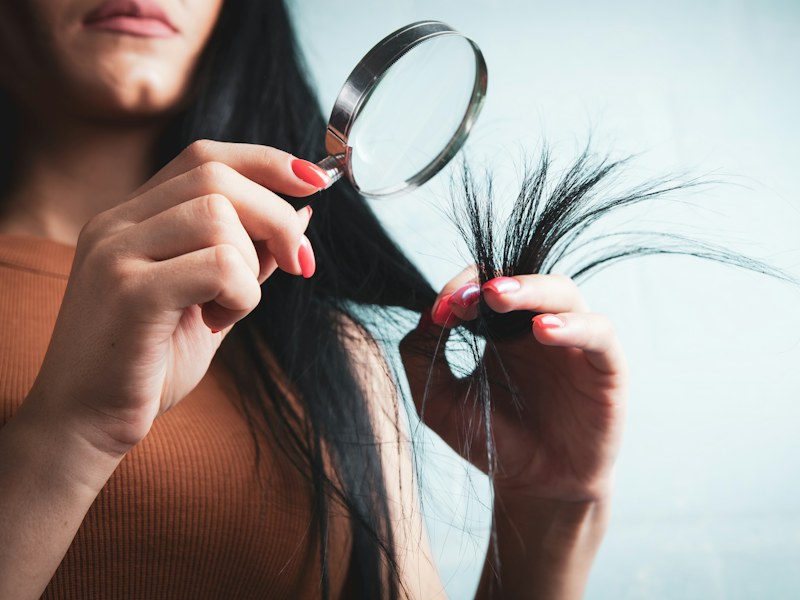
Very hot water may feel relaxing, but it strips natural oils and can leave the scalp dry and irritated – and, paradoxically, can trigger more oil production. Lukewarm water is best for washing, and a cooler final rinse helps the hair cuticle lie flatter for extra shine.
6. Use Scalp Serums and Tonics
Leave-on scalp treatments have become popular for good reason. Look for ingredients that match your needs:
- Niacinamide: helps balance oil and supports a healthy barrier.
- Caffeine: often used in products for thinning hair.
- Peptides: support the health of the follicle environment.
- Panthenol and aloe vera: soothe dryness and irritation.
- Tea tree oil (well diluted): may help with mild flaking.
Apply serums directly to the scalp by parting the hair in sections and massaging them in.
7. Protect Your Scalp from the Sun
The scalp can burn just like the rest of your skin, especially along the part line. Sunburn leads to peeling, discomfort, and long-term damage. Wear a hat during long periods outdoors or use a sunscreen spray formulated for hair and scalp.
8. Be Careful with Tight Styles and Heat
Tight ponytails, braids, and buns pull on the follicles and may cause traction hair loss over time. Alternate hairstyles, use soft scrunchies, and give your hair rest days. Hot tools and very hot blow-drying can also dry out the scalp. For more ways to protect your hair from damage, read Tips for Healthy, Shiny, and Frizz-Free Hair.
9. Nourish Your Body from Within
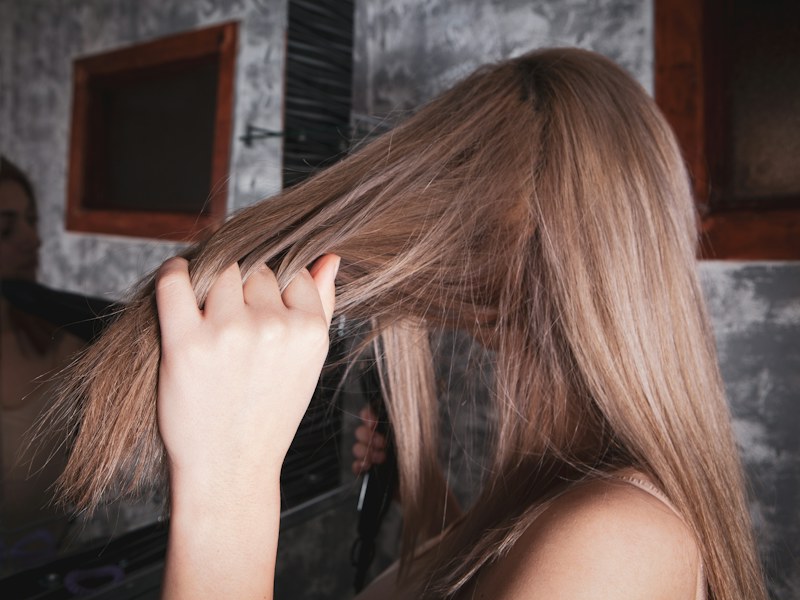
Hair follicles are among the fastest-growing cells in the body and need a steady supply of nutrients. Protein, iron, zinc, omega-3 fatty acids, vitamin D, and B vitamins all play a role in healthy hair growth. A balanced diet with eggs, fish, legumes, nuts, seeds, and leafy greens supports both the scalp and the hair. Staying hydrated also helps the scalp maintain moisture.
10. Manage Stress and Sleep Well
Chronic stress can push more hair follicles into the resting phase, leading to noticeable shedding a few months later. It can also worsen conditions like dandruff and scalp sensitivity. Regular sleep, exercise, and relaxing routines such as a scalp massage before bed support both your hair and your overall wellbeing. Discover more daily routines in Simple Habits for Long-Lasting Healthy Hair.
Keep Your Tools Clean
Brushes, combs, pillowcases, and hats collect oil, product residue, and bacteria. Wash brushes and combs every week or two, and change pillowcases regularly. Clean tools prevent reintroducing buildup to a freshly washed scalp.
Conclusion
A healthy scalp is the foundation of healthy hair. By washing according to your scalp’s needs, exfoliating gently, rinsing thoroughly, protecting it from heat and sun, and supporting it with good nutrition and rest, you create the ideal conditions for strong, shiny hair to grow. Treat your scalp with the same care you give your face, and your hair will reward you with improved strength, volume, and natural shine.