


Vitamin C is one of the most popular and well-researched ingredients in skincare. Known for its brightening and protective effects, it can help fade dark spots, boost radiance, and support firmer-looking skin. However, not all vitamin C products are created equal. Different forms, concentrations, and packaging can make a big difference in how well a serum works and how your skin tolerates it. This complete guide will help you choose and use a vitamin C serum for brighter, healthier skin.
Why Vitamin C Is So Valuable for the Skin
Vitamin C is a powerful antioxidant. Every day, the skin is exposed to free radicals from UV rays, pollution, and other environmental stressors. These unstable molecules damage collagen, accelerate aging, and contribute to uneven pigmentation. Vitamin C neutralizes free radicals, helping protect the skin from this oxidative stress.
Its main benefits include:
- Brightening: it interferes with melanin production, helping fade dark spots and dullness.
- Collagen support: vitamin C is essential for collagen synthesis, which keeps skin firm and smooth.
- Enhanced sun protection: when used under sunscreen, it adds an extra layer of defense against UV-induced damage.
- Even tone: regular use can reduce redness and improve overall clarity.
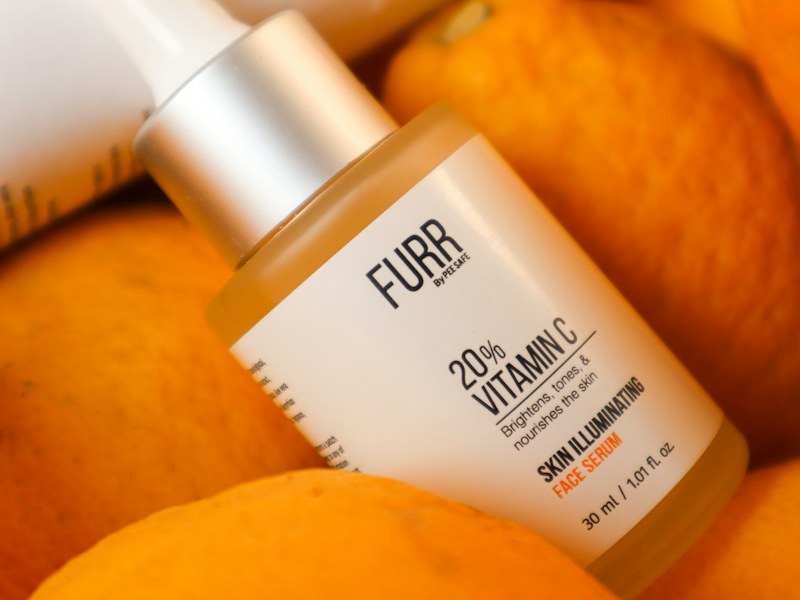
Understanding the Different Forms of Vitamin C
L-Ascorbic Acid
This is the purest and most studied form. It is highly effective but also unstable and can be irritating, especially at high concentrations. It works best in formulas with a low pH, often combined with vitamin E and ferulic acid for stability.
Vitamin C Derivatives
Derivatives such as sodium ascorbyl phosphate, magnesium ascorbyl phosphate, ascorbyl glucoside, and tetrahexyldecyl ascorbate are more stable and gentler. They may work more slowly, but they are often a better choice for sensitive or dry skin.
Ethyl Ascorbic Acid
A newer, stable form that penetrates well and is generally less irritating than pure L-ascorbic acid, making it a good middle ground.
Choosing the Right Concentration
For L-ascorbic acid, concentrations between 10% and 20% are considered effective. Beginners and people with sensitive skin should start around 10%. Going above 20% does not usually increase benefits and may increase irritation. Derivatives are often used at different concentrations, so follow the product’s guidance.
How to Tell if Your Serum Is Still Good
Vitamin C oxidizes when exposed to light, air, and heat. A fresh serum is usually clear or pale yellow. If it turns dark orange or brown, it has oxidized and lost much of its effectiveness. To keep it fresh:
- Choose opaque, airtight, or pump packaging.
- Store it in a cool, dark place – some people keep it in the refrigerator.
- Close the cap tightly after each use.
- Use it within a few months of opening.
How to Apply Vitamin C Serum
Vitamin C is best used in the morning, when it can help protect the skin from daily environmental damage. Follow these steps:
- Cleanse your face and pat it dry.
- Apply three to five drops of vitamin C serum to the face and neck.
- Wait about a minute for it to absorb.
- Follow with moisturizer.
- Finish with a broad-spectrum sunscreen, which is essential for brightening results. Need help choosing? Read How to Choose the Right Sunscreen for Your Skin Type.
Combining Vitamin C with Other Ingredients
- Vitamin E and ferulic acid: increase stability and antioxidant power.
- Hyaluronic acid: adds hydration and helps reduce any dryness.
- Niacinamide: can be used together in most modern formulas; if your skin flushes, separate them by time of day. Learn more in Niacinamide Explained: Benefits and How to Use It in Your Routine.
- Retinoids and strong acids: best used at night, while vitamin C stays in your morning routine, to reduce the risk of irritation.
What Results Can You Expect?
Many people notice a brighter, fresher complexion within three to four weeks. Fading of dark spots and post-acne marks generally takes eight to twelve weeks. Improvements in firmness and fine lines appear more gradually over several months. For a complete approach to fading discoloration, see How to Fade Post-Acne Marks and Dark Spots Safely.

Possible Side Effects
Mild tingling is common when first using L-ascorbic acid. However, persistent stinging, redness, or breakouts may indicate that the formula is too strong for your skin. In that case, try a lower concentration, a gentler derivative, or use the serum every other day. Always patch test before applying a new product to your entire face.
Tips for Choosing a Vitamin C Serum
- Sensitive skin: choose derivatives or 10% L-ascorbic acid.
- Oily skin: look for lightweight, water-based serums.
- Dry skin: try oil-soluble forms like tetrahexyldecyl ascorbate or formulas with added hydrators.
- Always prefer protective packaging that limits exposure to light and air.
Conclusion
A good vitamin C serum can transform a dull, uneven complexion into one that looks brighter, smoother, and more resilient. Choose the form and concentration that suit your skin, store your serum properly, apply it in the morning, and never skip sunscreen. With consistent use, vitamin C becomes one of the most rewarding steps in your skincare routine.