


Sunscreen is the single most effective product for protecting your skin from premature aging, dark spots, and sun damage. Yet many people still skip it because a formula felt greasy, left a white cast, or caused breakouts. In most cases the problem is not sunscreen itself but choosing the wrong one. With so many options on the market – mineral, chemical, gel, cream, stick, and spray – it is worth understanding what the labels mean and which textures suit your skin type. This guide will help you pick a sunscreen you will actually enjoy wearing every day.
Why Daily Sunscreen Matters
Ultraviolet radiation reaches the skin year-round, even on cloudy days and through windows. UVB rays are mainly responsible for sunburn, while UVA rays penetrate deeper and contribute to wrinkles, loss of elasticity, and pigmentation. Over time, unprotected exposure breaks down collagen and elastin, weakens the skin barrier, and increases the risk of skin cancer. Consistent sunscreen use is one of the most important habits described in How to Prevent Premature Aging and Maintain Youthful Skin.
Understanding the Label
SPF
SPF (Sun Protection Factor) measures protection against UVB. SPF 30 blocks around 97% of UVB rays, while SPF 50 blocks around 98%. Dermatologists generally recommend at least SPF 30 for daily use. Higher numbers offer slightly more protection, but proper application and reapplication matter far more than a jump from 30 to 50.
Broad Spectrum and UVA Ratings
“Broad spectrum” means the product protects against both UVA and UVB. Depending on where a product is sold, you may also see UVA ratings such as PA+ to PA++++ or a UVA circle logo. For daily wear, choose a broad-spectrum formula with strong UVA protection, especially if you are concerned about pigmentation.
Water Resistance
Water-resistant sunscreens stay effective for 40 or 80 minutes while swimming or sweating. They are ideal for sports and beach days but are usually unnecessary for an office routine.
Mineral vs. Chemical Sunscreen
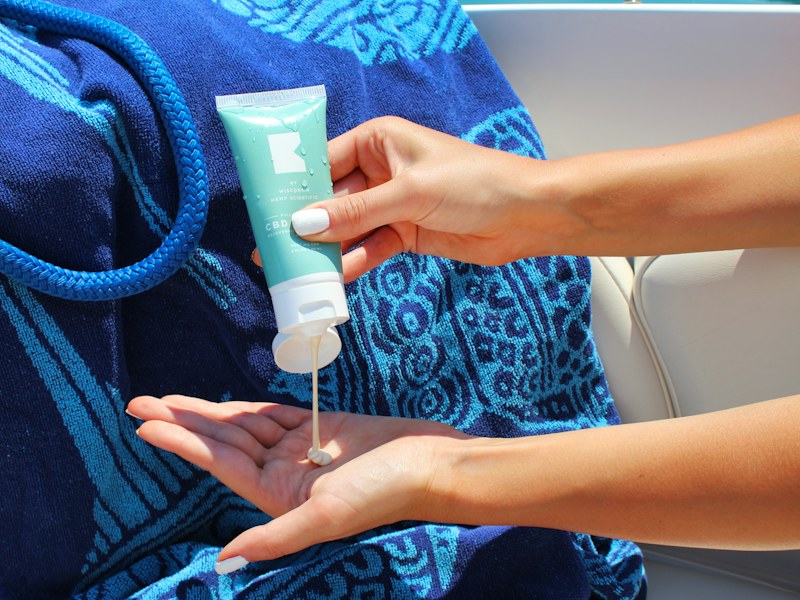
Mineral (physical) sunscreens use zinc oxide and/or titanium dioxide. They sit on the surface of the skin and are generally well tolerated by sensitive and reactive skin. Modern formulas are much lighter than older versions, but some can still leave a slight white cast on deeper skin tones. Tinted mineral sunscreens solve this problem and add protection against visible light, which can worsen melasma.
Chemical (organic) sunscreens use filters that absorb UV radiation. They tend to be thinner, more transparent, and easier to layer under makeup. Some people with very sensitive skin or eye areas may find certain filters irritating, so patch testing is a good idea.
Many sunscreens today are hybrids, combining mineral and chemical filters to balance comfort and protection. Neither type is universally “better” – the best sunscreen is the one you will apply generously every day.
Choosing Sunscreen by Skin Type
Oily and Acne-Prone Skin
Look for lightweight gel, fluid, or matte-finish formulas labeled non-comedogenic. Ingredients such as niacinamide, silica, or zinc can help control shine. Avoid heavy, oily textures that sit on the skin all day.
Dry Skin
Cream or lotion sunscreens with hyaluronic acid, glycerin, ceramides, or squalane give comfort and a healthy glow. Dry skin often benefits from a moisturizing sunscreen that doubles as a light day cream.
Sensitive Skin
Choose fragrance-free mineral formulas with soothing ingredients like allantoin, panthenol, or centella. Avoid alcohol-heavy sprays that can sting. For more tips on calming reactive skin, read How to Care for Sensitive Skin Without Irritation.
Combination Skin
A fluid or gel-cream texture usually works best. If your cheeks feel dry, apply a moisturizer to those areas first, then your sunscreen all over. You can find a full routine in How to Build the Perfect Skincare Routine for Combination Skin.
Deeper Skin Tones
Chemical or tinted mineral sunscreens tend to blend most invisibly. People with deeper skin tones still need daily protection, especially against hyperpigmentation, which can be triggered or darkened by sun exposure.
How Much Sunscreen to Apply
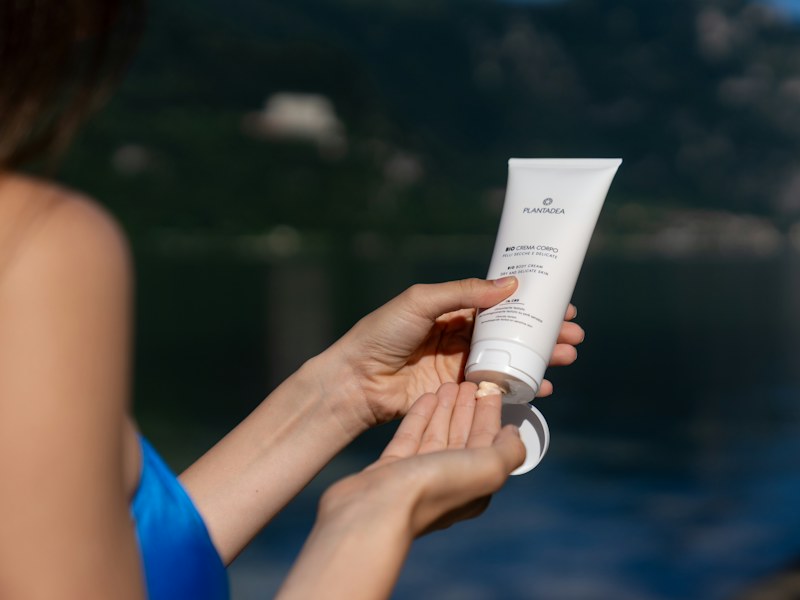
Most people apply only a quarter to half the amount used in laboratory testing, which significantly reduces protection. A practical guideline is the “two-finger rule”: squeeze sunscreen along the length of your index and middle fingers for the face and neck. For the body, about a shot-glass amount covers an adult. Do not forget commonly missed areas: ears, hairline, the back of the neck, the tops of the feet, and the backs of the hands.
When and How to Reapply
Sunscreen breaks down with sun exposure, sweat, and friction. Reapply every two hours when outdoors and immediately after swimming or heavy sweating. If you wear makeup, options for reapplication include:
- SPF setting sprays or mists for a quick top-up.
- Sunscreen sticks for the nose, cheekbones, and forehead.
- Pressed or loose SPF powders for light touch-ups, used together with other forms of protection.
If you spend most of the day indoors away from windows, morning application is usually sufficient, though reapplying before going out at lunch is a smart habit.
Layering Sunscreen with Skincare and Makeup
Sunscreen should be the final step of your morning skincare routine, applied after moisturizer and before makeup. Allow a minute or two for it to set. Mixing sunscreen into foundation dilutes its protection, so apply it as a separate layer. To learn how the morning routine differs from your evening one, see Morning vs. Night Skincare – Why Both Routines Matter.
Common Sunscreen Myths
- “I don’t need sunscreen on cloudy days.” Up to 80% of UV rays can pass through clouds.
- “My makeup has SPF, so that’s enough.” You would need to apply far more foundation than anyone actually uses to reach the labeled SPF.
- “Darker skin doesn’t need sunscreen.” All skin tones can experience sun damage, pigmentation, and skin cancer.
- “Sunscreen causes breakouts.” Choosing a non-comedogenic formula and cleansing properly at night prevents most problems.
Storing Your Sunscreen
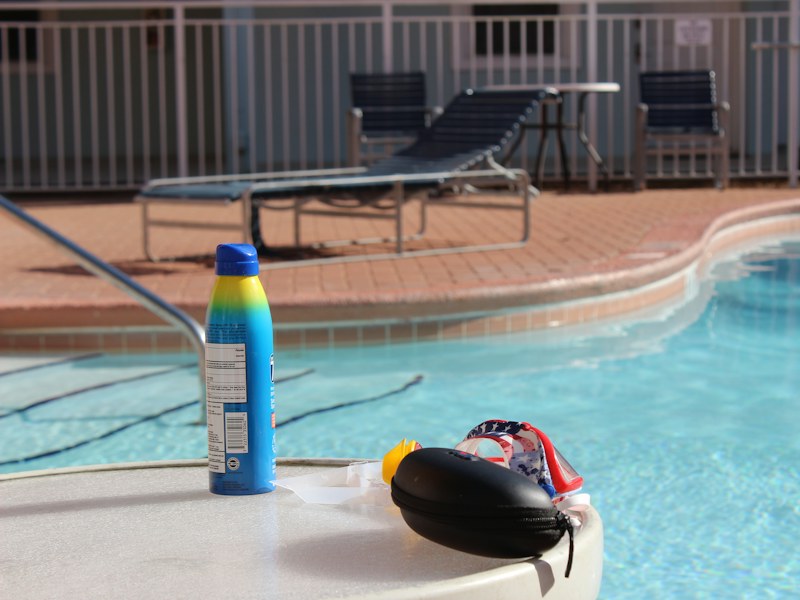
Heat can degrade sunscreen filters. Avoid leaving bottles in a hot car or in direct sunlight for long periods. Check the expiration date, and replace any product that has changed in color, smell, or texture.
Conclusion
Finding the right sunscreen is about matching the formula to your skin type, lifestyle, and preferences. Look for broad-spectrum protection of at least SPF 30, choose a texture you love, apply generously, and reapply when needed. Once sunscreen becomes a comfortable daily habit, you will protect your skin’s health and keep your complexion looking even, smooth, and youthful for years to come.