


Healthy nails are more than a cosmetic detail. Smooth, strong nails with healthy cuticles complete a polished look and reflect good overall care. Yet many people struggle with nails that peel, split, break easily, or refuse to grow past the fingertips. The causes range from frequent hand washing and harsh polish removers to nutrition and everyday habits. The good news is that most nail problems can be improved with simple, consistent care. Here are the essentials for growing strong, healthy nails.
Understanding How Nails Grow
Nails are made of layers of a protein called keratin. They grow from the nail matrix, which sits beneath the cuticle at the base of the nail. Fingernails grow around three millimeters per month on average, which means a completely new nail takes roughly four to six months to grow out. Because of this, any change in your routine will take time to show its full effect. Protecting the matrix and the cuticle is essential, as damage there can affect how the new nail forms.
Common Causes of Weak Nails
- Frequent exposure to water and detergents, which causes nails to swell and shrink repeatedly.
- Acetone-based removers and frequent gel or acrylic applications.
- Using nails as tools to open cans, peel labels, or scratch surfaces.
- Cutting or aggressively pushing back cuticles.
- Dry indoor air and cold weather.
- Diet lacking in protein, iron, biotin, or other key nutrients.
1. Keep Nails Moisturized
Just like skin, nails need hydration to stay flexible. Brittle nails are often simply dry nails. Massage a nail oil or cuticle cream into each nail and cuticle at least once a day, ideally before bed. Ingredients such as jojoba oil, almond oil, shea butter, vitamin E, and urea help keep the nail plate supple. Apply hand cream after every wash and include your nails when you do. For more hand care advice, read How to Achieve Soft and Smooth Hands.
2. Protect Nails from Water and Chemicals
Wear rubber gloves with a cotton lining when washing dishes, cleaning, or handling household chemicals. Long soaks in water weaken the nail structure and make peeling more likely. After showering or swimming, dry your hands thoroughly and apply moisturizer to lock in hydration.
3. File Correctly
The way you file has a surprisingly big impact on nail strength. Use a fine-grit glass or crystal file and move it in one direction rather than sawing back and forth, which can create micro-tears in the nail edge. File nails when they are dry, since wet nails are softer and more prone to damage. A slightly rounded or “squoval” shape is generally more resistant to breaking than a sharp square or pointed tip.
4. Treat Cuticles Gently
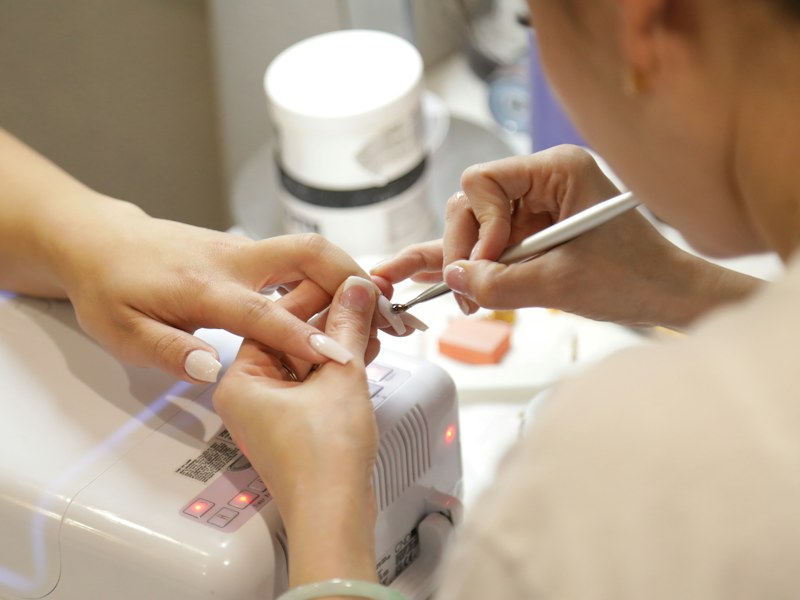
The cuticle seals the area between the nail and the skin, protecting the matrix from bacteria and moisture loss. Avoid cutting it. Instead, soften cuticles with oil or a warm towel and gently push them back with a soft wooden stick. Trim only loose, dead hangnails with clean nippers to prevent tearing.
5. Choose Polish and Removers Wisely
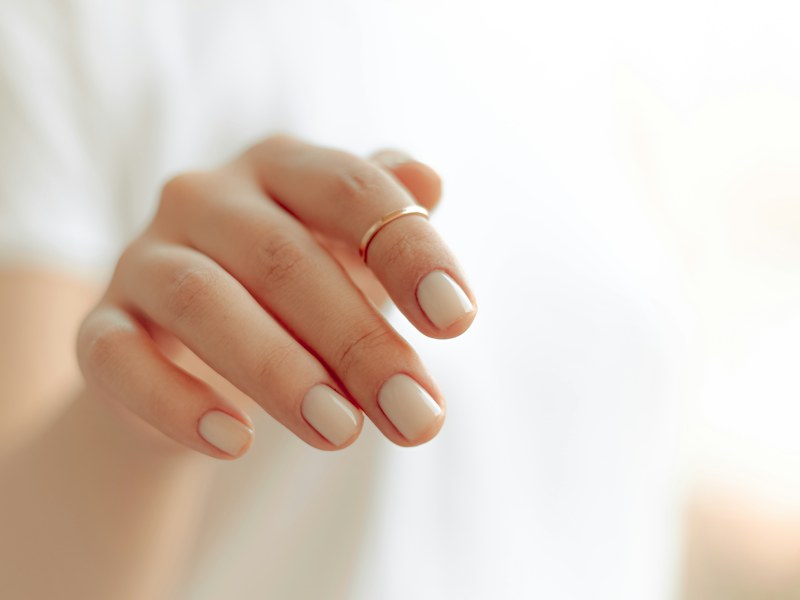
Nail polish can actually provide a protective layer, but choosing the right products matters:
- Always use a base coat to prevent staining and improve adhesion.
- Choose acetone-free or conditioning removers when possible.
- Avoid peeling off polish or gel, which removes the top layers of the nail with it.
- Give nails occasional breaks between gel manicures to let them recover.
- Have gel and acrylic removed professionally or by gentle soaking rather than scraping.
6. Consider a Nail Strengthener
Strengthening treatments can help nails resist splitting while they grow. Look for formulas with keratin, proteins, calcium, or hydrolyzed silk. Use them as directed, as some strengthening products can make nails too rigid if overused, which actually increases breakage.
7. Eat for Strong Nails
Nails rely on nutrients delivered through the bloodstream. A diet that supports healthy nails includes:
- Protein: eggs, fish, poultry, beans, and dairy provide the building blocks of keratin.
- Iron: leafy greens, red meat, and lentils help prevent brittle or spoon-shaped nails linked to iron deficiency.
- Biotin: found in eggs, nuts, and seeds, and sometimes recommended for brittle nails.
- Zinc and omega-3 fatty acids: support tissue repair and moisture.
Drinking enough water also contributes to overall hydration. Before taking supplements, it is wise to check with a healthcare professional. For more on how lifestyle affects your appearance, see Holistic Beauty: How Wellness and Lifestyle Choices Enhance Your Glow.
8. Break Damaging Habits
Biting nails, picking at cuticles, and using nails as tools are some of the biggest obstacles to healthy growth. Keeping nails short and neatly filed, applying a bitter-tasting polish, or keeping hand cream nearby can help break the habit.
9. Care for Your Toenails Too
Toenails need similar care. Cut them straight across to prevent ingrown nails, keep feet clean and dry, and wear shoes that do not squeeze the toes. Moisturize the cuticles and the skin around the nails regularly, especially during dry months.
When to See a Professional
Nails can sometimes reveal underlying health issues. Consult a doctor or dermatologist if you notice dark streaks, sudden changes in shape or color, thickening, separation from the nail bed, pain, swelling, or signs of fungal infection. Early attention makes treatment easier.
Conclusion
Strong, healthy nails are the result of consistent, gentle care. Moisturize daily, protect your hands from water and chemicals, file and shape with care, respect your cuticles, and support your body with good nutrition. Because nails grow slowly, give your new routine a few months. With patience, you will enjoy nails that are smoother, stronger, and naturally beautiful – with or without polish.