


When we think of healthy, radiant skin, hydration is often the first thing that comes to mind. People frequently hear the advice: “Drink eight glasses of water a day for glowing skin.” While hydration is indeed crucial, the relationship between water and beauty is far more complex. True hydration involves not only what we drink but also how we care for our skin externally.
This article explores the science of hydration, its impact on beauty, and practical tips to maintain skin moisture both inside and out.
The Role of Hydration in Beauty – Beyond Drinking Water
Why Hydration Matters for Skin Health
The skin is the body’s largest organ, and just like any organ, it requires proper hydration to function well. Adequate hydration helps maintain elasticity, supports the skin barrier, and ensures smooth texture. When the skin is dehydrated, it often appears dull, tight, and flaky. Over time, dehydration accelerates the appearance of fine lines and can worsen sensitivity.
Hydration also plays a key role in protecting the skin from external stressors. A well-moisturized skin barrier is more resilient against pollution, UV damage, and bacteria, making hydration essential for both beauty and long-term health.
The Difference Between Dry Skin and Dehydrated Skin
Many people confuse dryness with dehydration, but they are not the same:
-
Dry skin is a skin type, caused by a lack of natural oils (sebum).
-
Dehydrated skin is a condition, caused by a lack of water in the skin.
This distinction is important because solutions differ. Dry skin benefits from rich creams and oils, while dehydrated skin requires humectants like hyaluronic acid that attract water to the skin. Understanding this difference is the first step toward effective hydration.
Internal Hydration: More Than Just Drinking Water
Drinking water is essential for overall health, but it doesn’t always translate directly into skin hydration. The body prioritizes vital organs like the heart and kidneys before the skin. Therefore, maintaining hydration requires a holistic approach.
How to Support Hydration from Within
-
Balanced diet: Foods rich in water content (cucumbers, watermelon, oranges) provide hydration along with vitamins and minerals.
-
Healthy fats: Omega-3 fatty acids from fish, nuts, and flaxseeds strengthen the skin barrier, reducing water loss.
-
Limit dehydrating substances: Excess caffeine and alcohol can deplete skin moisture.
-
Consistent water intake: Sipping throughout the day is more effective than drinking large amounts at once.
Hydration from within creates the foundation for healthy skin, but it must be paired with external care for visible results.
External Hydration: Topical Skincare Solutions
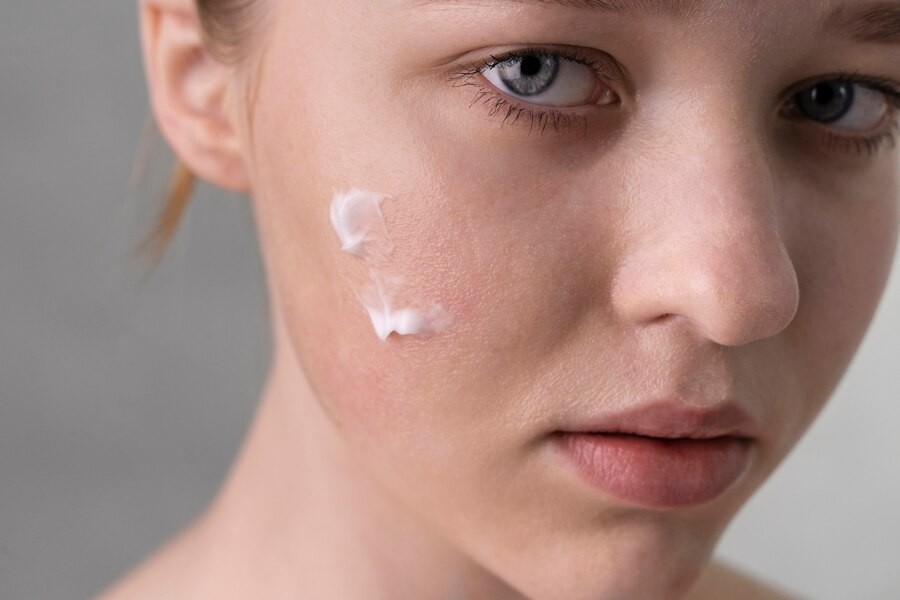
Skincare products play a vital role in locking in hydration. Without topical support, water can evaporate quickly from the skin’s surface, a process called transepidermal water loss (TEWL).
Key Hydrating Ingredients to Look For
-
Hyaluronic Acid: A powerful humectant that attracts up to 1,000 times its weight in water.
-
Glycerin: Draws moisture into the skin and maintains hydration balance.
-
Ceramides: Strengthen the skin barrier, preventing water loss.
-
Aloe Vera: Soothes and hydrates, especially useful for sensitive skin.
-
Squalane: A lightweight oil that locks in moisture without clogging pores.
The Importance of Layering Products Correctly
The way you apply skincare products affects hydration levels. The general rule is to apply lighter, water-based products first and seal them with richer creams or oils.

Example Hydrating Routine:
-
Gentle cleanser (avoid harsh foaming products).
-
Hydrating toner or essence.
-
Serum with hyaluronic acid or glycerin.
-
Moisturizer with ceramides or squalane.
-
Sunscreen in the morning (to prevent UV-induced dehydration).
At night, you can add an overnight mask for extra hydration.
Lifestyle Factors That Influence Hydration
External hydration is not just about products—environmental and lifestyle choices matter too.
-
Climate: Cold, dry air in winter or air-conditioned environments can strip skin of moisture. A humidifier at home can help.
-
Hot showers: Long, hot showers may feel relaxing but strip natural oils, leading to dryness. Lukewarm water is best.
-
Sleep: Skin loses more water at night, making a nighttime routine especially important.
-
Exercise: Sweating can dehydrate the skin, so replenishing with water and gentle cleansers is essential post-workout.
Signs Your Skin Is Dehydrated
-
Fine lines that appear more pronounced
-
Dull, tired-looking complexion
-
Tightness or discomfort after cleansing
-
Increased sensitivity or redness
These signs often improve quickly once hydration is restored through proper care.
Professional Treatments for Intense Hydration
Sometimes, professional treatments provide deeper and longer-lasting hydration:
-
HydraFacial: Combines exfoliation with hydrating serums.
-
Moisture-boosting masks: Professional-grade masks deliver concentrated hydration.
-
Skin boosters (hyaluronic acid injections): In medical settings, they plump and hydrate skin from within.
These should always be performed by certified professionals to ensure safety and results.
Conclusion
Hydration is at the heart of beauty, but it goes far beyond simply drinking water. It is about creating balance inside and out—nourishing the body with a water-rich diet, supporting the skin barrier with the right ingredients, and protecting against environmental stressors.
When hydration is optimized, skin not only looks radiant but also feels comfortable, resilient, and youthful. By combining internal wellness with consistent topical care, you can achieve the kind of healthy glow that no makeup can replicate.
True beauty begins with hydration—and when approached holistically, it becomes the foundation of lasting skin health.