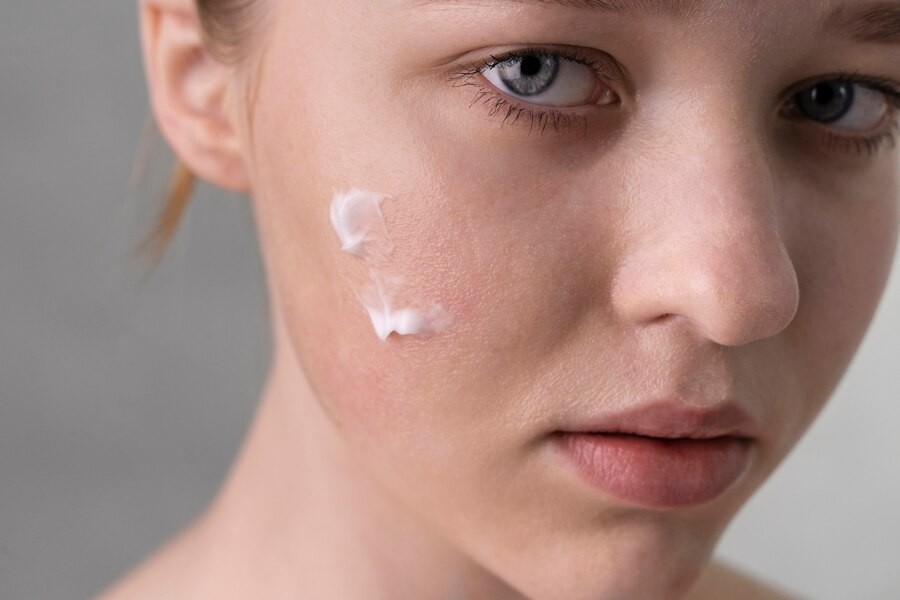


Healthy, glowing skin is not only about hydration, sun protection, or using trendy ingredients—it is also about maintaining the correct pH balance. The skin has a natural protective layer, often referred to as the acid mantle, which plays a critical role in defending against bacteria, pollutants, and moisture loss. When this balance is disrupted, even the most well-planned skincare routine can fall short.
This article explores what pH balance is, why it matters, and how you can maintain it for long-term skin health and beauty.
Understanding pH Balance in Skincare – Why It Matters
What Is Skin pH?
pH, or “potential of hydrogen,” measures how acidic or alkaline a substance is, on a scale from 0 to 14. A pH of 7 is neutral, lower values are acidic, and higher values are alkaline.
Healthy skin typically has a slightly acidic pH between 4.5 and 5.5. This acidic environment is what creates the acid mantle, a thin film composed of sebum, sweat, and natural moisturizing factors. The acid mantle protects against harmful microorganisms, supports beneficial bacteria, and keeps the skin barrier strong.

Why pH Balance Is Important for Skin
-
Protects against bacteria and infections: A slightly acidic environment discourages the growth of harmful pathogens.
-
Maintains hydration: Proper pH helps the skin retain moisture and prevents transepidermal water loss (TEWL).
-
Supports natural exfoliation: Balanced skin allows for the natural shedding of dead skin cells, keeping texture smooth.
-
Enhances product effectiveness: Many skincare ingredients work best at specific pH levels—for example, Vitamin C serums require acidity, while retinoids prefer a neutral base.
When pH is thrown off balance, problems like acne, dryness, eczema, or sensitivity can arise.
Factors That Disrupt Skin pH
Modern lifestyles often expose the skin to conditions that shift its pH away from the ideal range. Common disruptors include:
-
Harsh cleansers: Soaps with high alkalinity strip the skin’s natural oils.
-
Over-exfoliation: Excessive use of acids or scrubs weakens the acid mantle.
-
Environmental stress: Pollution, sun exposure, and hard water alter skin chemistry.
-
Aging: As we age, skin naturally becomes more alkaline, leading to dryness and loss of elasticity.
-
Poor diet: High sugar and processed foods can indirectly affect skin’s balance.
Recognizing these triggers is the first step to protecting skin health.
How to Maintain pH Balance in Skincare
1. Choose the Right Cleanser
Cleansing is vital but also the most common cause of pH imbalance. Opt for gentle, sulfate-free cleansers with a pH close to the skin’s natural range (4.5–5.5). Avoid bar soaps or foaming cleansers that feel “squeaky clean,” as they often leave the skin stripped and alkaline.
2. Use pH-Balancing Toners
Toners were originally designed to restore pH after cleansing. Today, many toners also include hydrating and soothing ingredients. Using a pH-balanced toner can help reset the acid mantle and prepare skin for serums and moisturizers.
3. Incorporate Probiotics and Prebiotics
Just like the gut, skin has its own microbiome. Probiotic skincare products support beneficial bacteria that thrive in an acidic environment, enhancing the skin’s natural defenses.
4. Be Mindful of Active Ingredients
Acids like glycolic, lactic, or salicylic temporarily lower skin’s pH to exfoliate effectively. While beneficial, overusing them can lead to irritation. Retinoids, on the other hand, work better in a more neutral environment. Layering products with different pH needs requires careful planning.
5. Protect Against Environmental Damage
Daily use of sunscreen is essential, not only for UV protection but also for preventing oxidative stress that weakens the skin barrier. Pairing sunscreen with antioxidants such as Vitamin C helps maintain overall balance.

Signs of pH Imbalance in Skin
It can be difficult to measure skin pH directly without specialized tools, but visible signs can indicate imbalance:
-
Persistent dryness or tightness after cleansing
-
Increased sensitivity or redness
-
Breakouts and acne flare-ups
-
Eczema or irritation that doesn’t improve with moisturizing
-
Dull, rough, or uneven texture
If these issues appear despite a consistent routine, pH imbalance could be the underlying cause.
Professional Approaches to Restoring Balance
In addition to at-home care, dermatologists may recommend treatments to help restore pH:
-
Barrier-repair creams: Containing ceramides and fatty acids to strengthen skin’s defenses.
-
Chemical peels: When professionally applied, they reset the skin’s natural shedding process.
-
pH-adjusting treatments: Special formulations that restore acidity while targeting concerns like acne or hyperpigmentation.
Professional guidance ensures treatments are tailored to skin type and concerns.
Holistic Habits for pH Health
Maintaining pH balance is not only about skincare products—it also involves lifestyle choices:
-
Balanced diet: Rich in antioxidants, lean proteins, and omega-3s.
-
Adequate hydration: Supports internal balance that reflects externally.
-
Stress management: High stress can trigger imbalances and worsen sensitivity.
-
Gentle routines: Avoid excessive scrubbing or layering too many active products at once.
Conclusion
pH balance may seem like a small detail, but it is the foundation of healthy, resilient skin. The acid mantle acts as the body’s first line of defense, and keeping it intact ensures that your skincare products work effectively while minimizing sensitivity and damage.
By choosing the right cleansers, using pH-friendly products, and supporting your skin through a balanced lifestyle, you can maintain the harmony your skin needs to thrive.
Ultimately, radiant beauty comes not just from what you add to your routine but also from protecting the natural systems your skin already has in place.