


If your skin suddenly stings when you apply products that never bothered you before, feels tight after cleansing, looks red, or breaks out more than usual, your skin barrier may be damaged. The barrier is the outermost protective layer of the skin, and when it is compromised, almost every skin concern becomes harder to manage. Understanding how the barrier works – and how to repair it – is one of the most valuable things you can learn for long-term skin health.
What Is the Skin Barrier?
The skin barrier, scientifically known as the stratum corneum, is often compared to a brick wall. The “bricks” are flattened skin cells called corneocytes, and the “mortar” is a mixture of lipids – mainly ceramides, cholesterol, and free fatty acids. Together, they keep water in and keep irritants, pollutants, and microbes out. The barrier also has a slightly acidic surface, known as the acid mantle, which supports healthy skin bacteria and enzyme activity.
When this structure is intact, skin feels comfortable, looks smooth, and tolerates products well. When it is weakened, water escapes more easily – a process called transepidermal water loss – and irritants penetrate more deeply.
Signs of a Damaged Barrier
- Stinging or burning when applying products, even gentle ones.
- Persistent tightness, dryness, or flaking.
- Redness and increased sensitivity.
- A shiny, “plastic-like” appearance without feeling moisturized.
- New breakouts or small bumps.
- Rough texture and dullness.
Common Causes of Barrier Damage
- Over-exfoliation: frequent use of acids, retinoids, and scrubs, especially in combination.
- Harsh cleansers: high-pH or strongly foaming formulas that strip lipids.
- Environmental stress: cold wind, low humidity, intense sun, and pollution.
- Hot water and long showers.
- Too many products at once, particularly when testing several new actives.
- Stress and lack of sleep, which affect the skin’s ability to repair itself.
Step 1: Simplify Your Routine
The fastest way to help a damaged barrier is to remove what is irritating it. Pause exfoliating acids, retinoids, vitamin C, scrubs, and peel pads for at least one to two weeks. Reduce your routine to three essentials: a gentle cleanser, a barrier-repairing moisturizer, and sunscreen during the day. This “skin fasting” approach gives the barrier space to recover.
Step 2: Switch to a Gentle Cleanser
Choose a non-foaming or low-foaming cream, milk, or gel cleanser with a low pH. If your skin is very reactive, you can rinse with lukewarm water only in the morning and cleanse properly in the evening. Pat the skin dry with a soft towel instead of rubbing. Learn more about why acidity matters in Understanding pH Balance in Skincare – Why It Matters.
Step 3: Replenish Lipids and Hydration
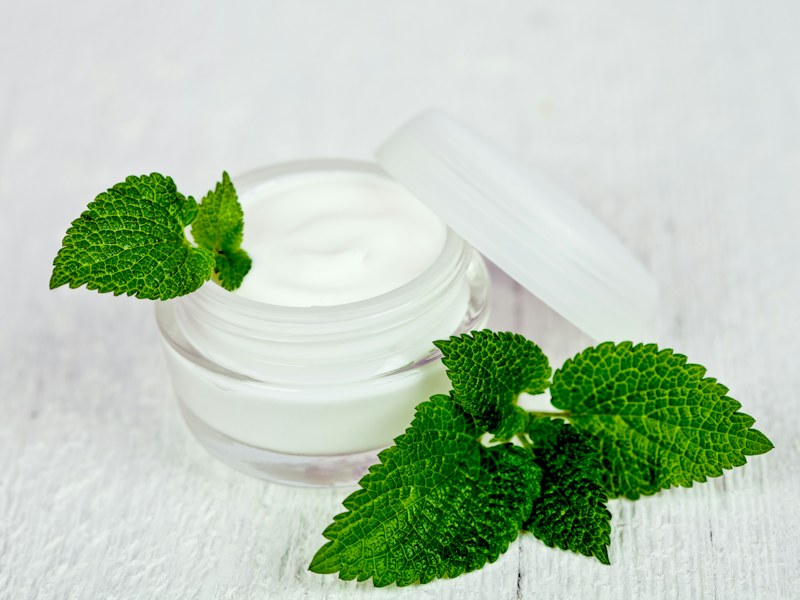
A good barrier-repair moisturizer should contain a combination of ingredients that mimic the skin’s natural structure:
- Ceramides, cholesterol, and fatty acids: the core lipids that rebuild the “mortar” of the barrier.
- Humectants such as glycerin and hyaluronic acid to draw water into the skin.
- Occlusives such as petrolatum, shea butter, or squalane to reduce water loss.
- Soothing agents such as panthenol, allantoin, centella asiatica, oat extract, and madecassoside to calm redness.
- Niacinamide in low concentrations, which can help skin produce more of its own ceramides.
Apply moisturizer on slightly damp skin to trap more hydration. For very dry areas, a thin layer of an occlusive balm at night can make a noticeable difference. You can also find practical hydration tips in How to Keep Your Skin Hydrated and Plump All Day.
Step 4: Protect Your Skin Every Day
UV rays further weaken the barrier and increase inflammation. Use a gentle, fragrance-free sunscreen with SPF 30 or higher. Mineral formulas based on zinc oxide are often well tolerated by compromised skin. In cold or windy weather, a scarf and a richer moisturizer add extra protection.
Step 5: Adjust Your Environment and Habits
- Keep showers short and use lukewarm water.
- Use a humidifier in dry rooms, especially with air conditioning or heating.
- Avoid fragranced products, essential oils, and alcohol-based toners during recovery.
- Change pillowcases frequently and avoid rough towels.
- Get enough sleep, as skin repair processes peak during the night.
How Long Does Barrier Repair Take?
Mild barrier damage can improve within a few days to two weeks, while more significant damage may take four to six weeks. Skin cells turn over roughly every 28 days in young adults and more slowly with age. The key sign of recovery is comfort: products stop stinging, tightness disappears, and redness calms down.
Reintroducing Active Ingredients
Once your skin feels calm and comfortable for at least a week, you can slowly bring back active ingredients. Start with one product, used two or three times a week, and observe how your skin responds before increasing frequency or adding another. Buffering – applying moisturizer before a retinoid, for example – can reduce irritation. Avoid layering several strong actives in the same routine. For tips on choosing what to use in the morning and evening, read Morning vs. Night Skincare – Why Both Routines Matter.
When to See a Dermatologist
If your skin remains red, painful, cracked, or itchy despite a gentle routine, or if you develop swelling, oozing, or a rash, consult a dermatologist. Conditions such as eczema, rosacea, or contact dermatitis may need specific treatment.
Conclusion
A healthy skin barrier is the foundation of clear, comfortable, and radiant skin. When it is damaged, less is truly more: simplify your routine, cleanse gently, replenish lipids, protect from the sun, and give your skin time to heal. Once your barrier is strong again, every other product in your routine will work better – and your skin will be far more resilient against everyday stress.